
Barrel-Aged Beer Explained: What Bourbon, Rye and Port Barrels Add
 Raymond
Barrel-aged beer explained: what bourbon, rye and port barrels add, why aging takes so long, and why so many releases land on Black Friday.
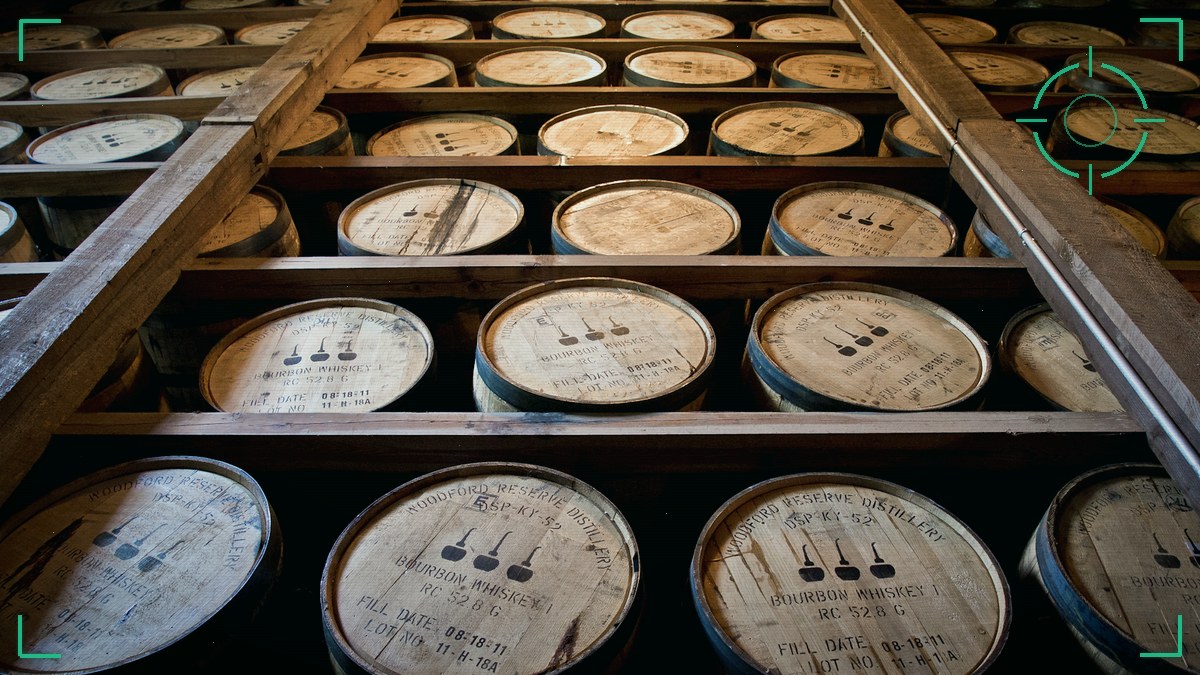
Barrel-aged beer explained: what bourbon, rye and port barrels add, why aging takes so long, and why so many releases land on Black Friday.
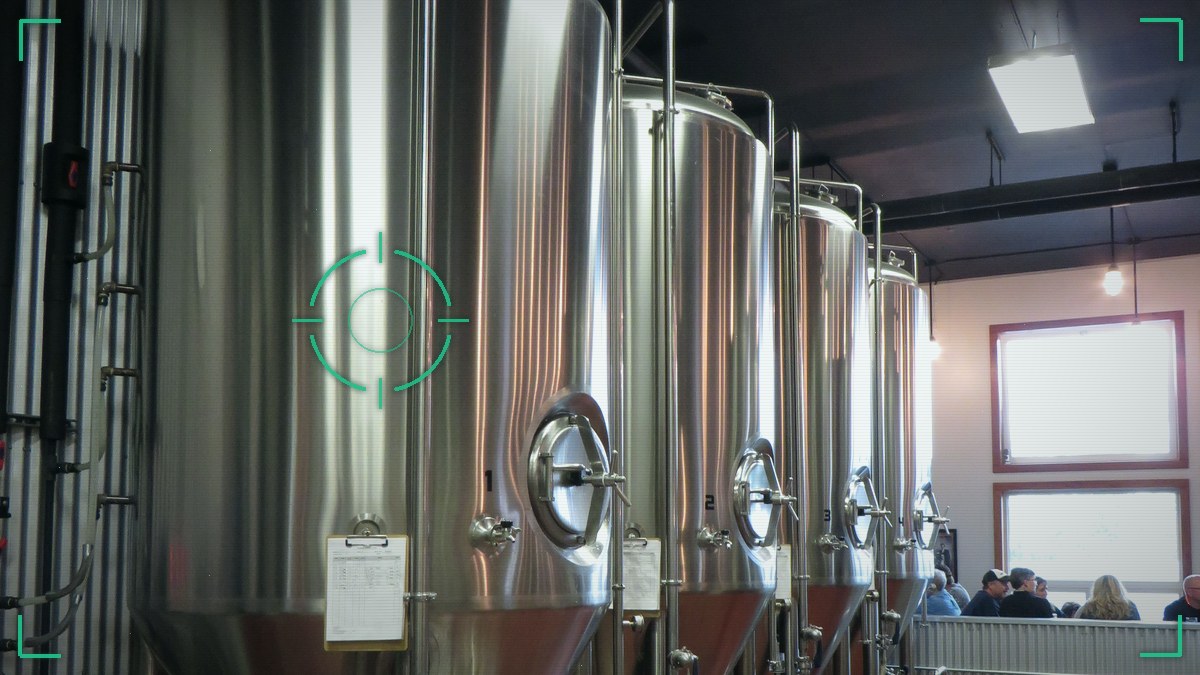
Brewery size is measured in 31-gallon barrels, but the Brewers Association and polls like Craft Beer & Brewing draw those tier lines differently.
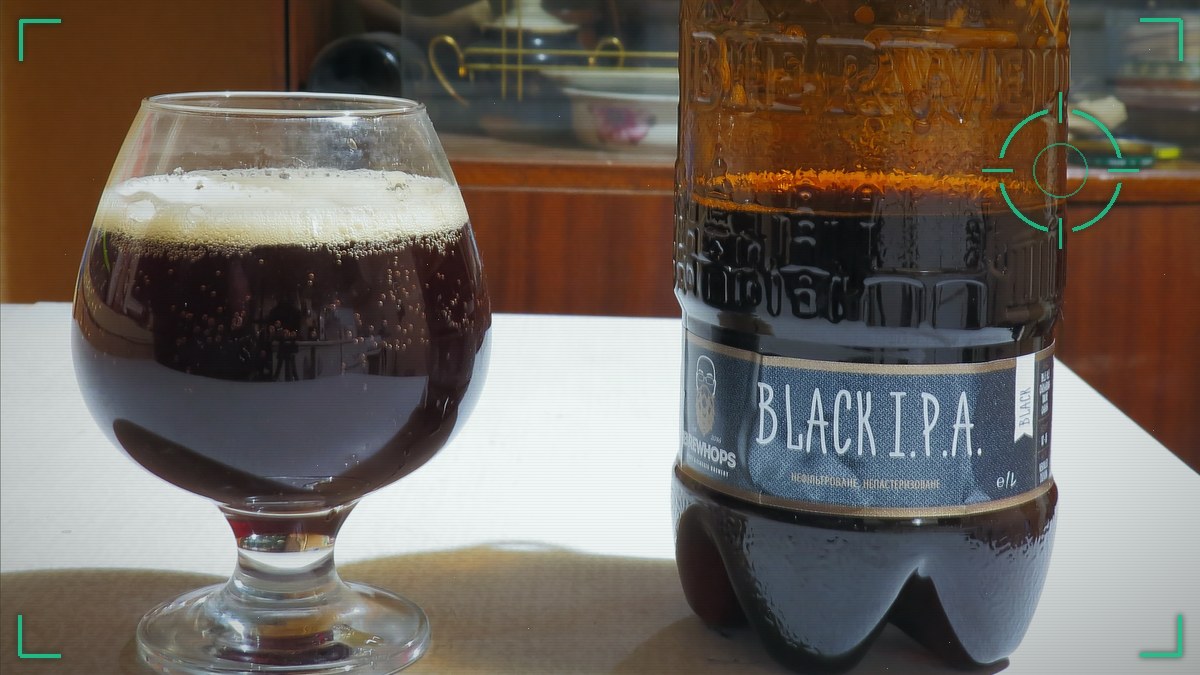
Our black IPA explainer covers Blackwatch IPA, the Cascadian dark ale naming fight, BJCP and GABF style names, why it faded, current examples and Cascadian black metal pairings.
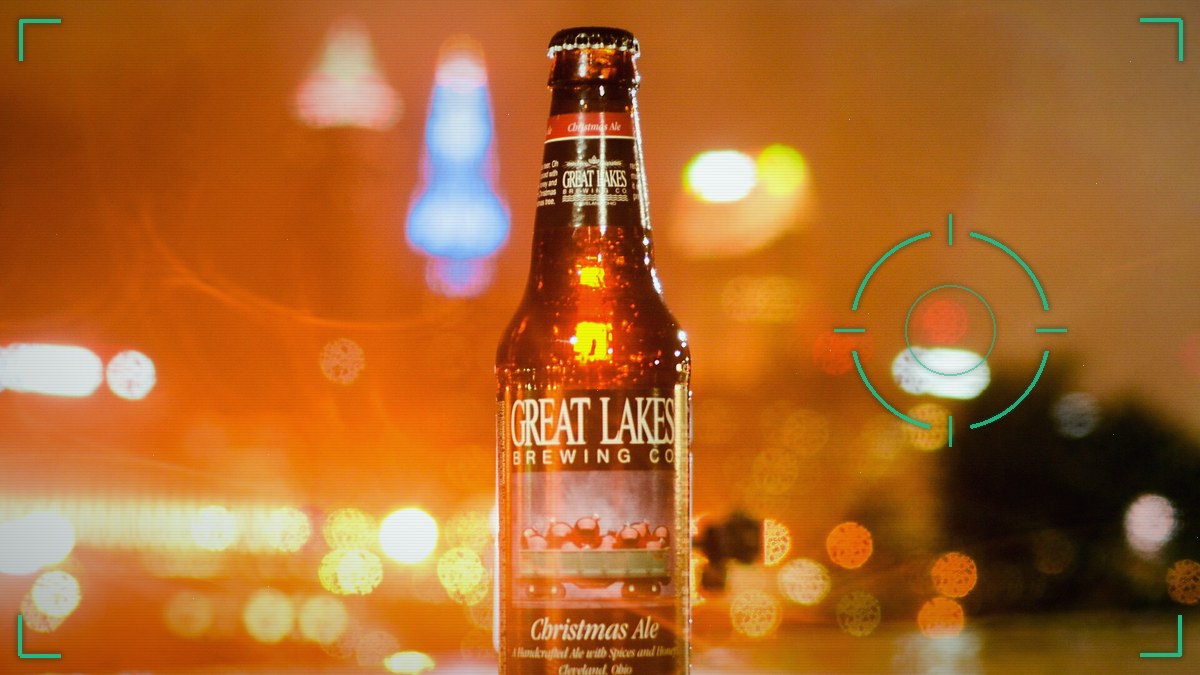
How winter warmers, Christmas ales and spiced or gingerbread ales differ, according to the BJCP, with examples to look for this season.
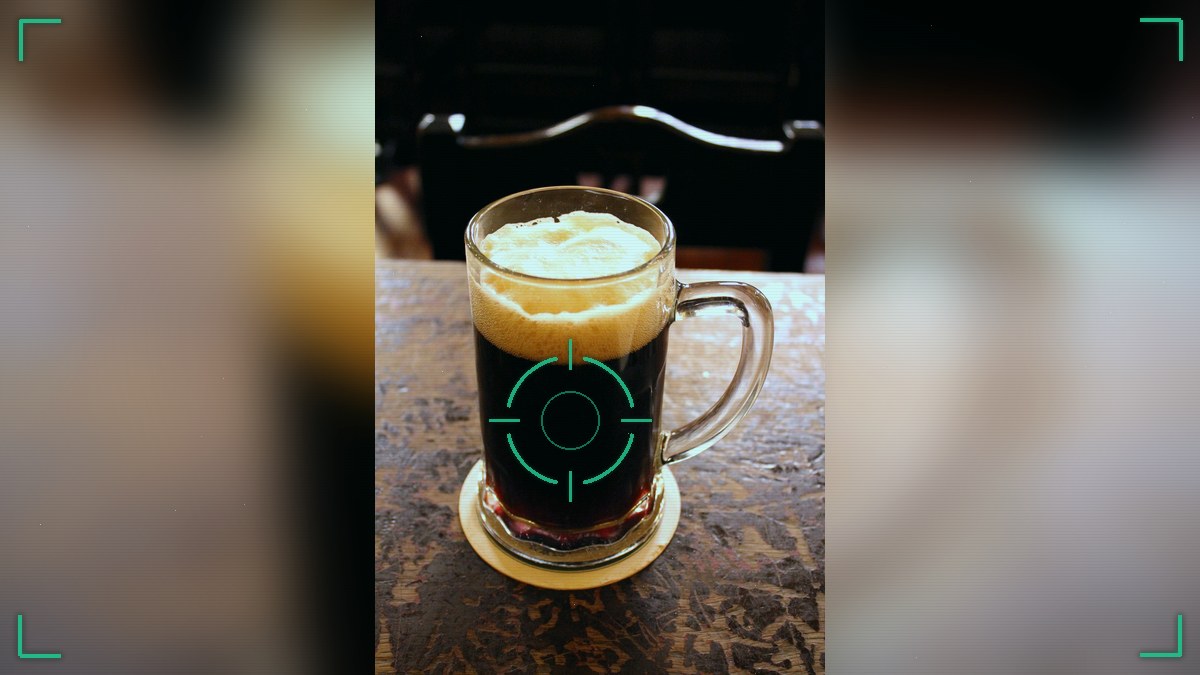
What a Czech dark lager is, its BJCP vital stats, how tmavé pivo compares with dunkel and schwarzbier, and fall releases to try.
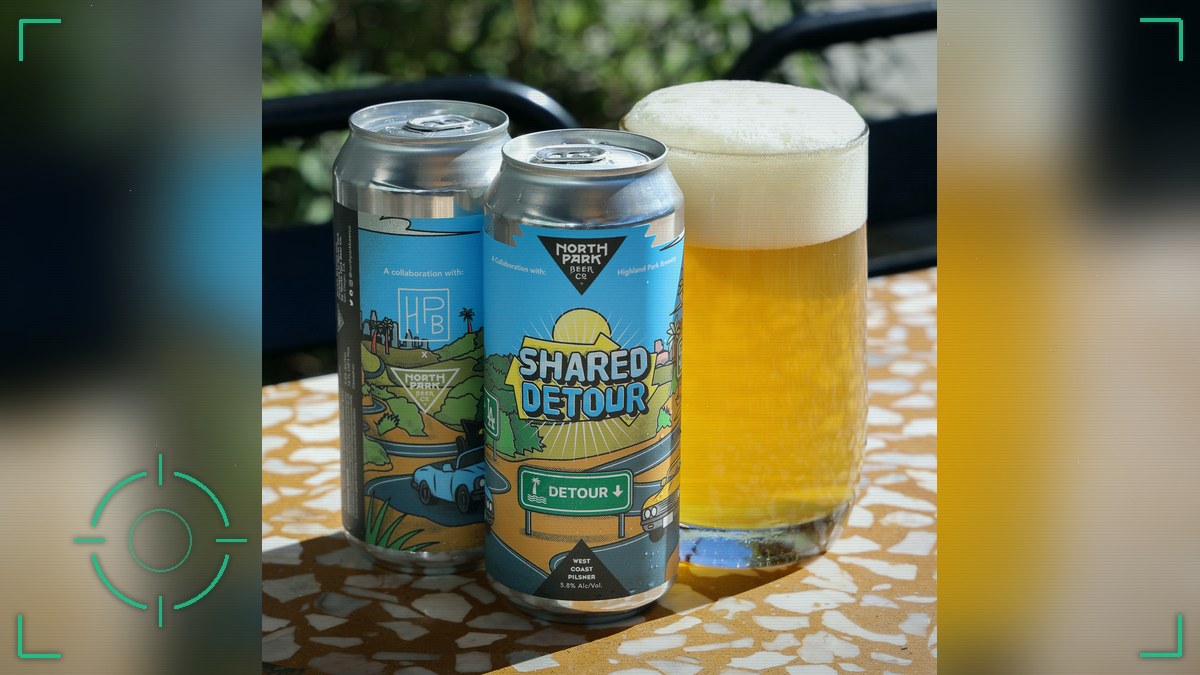
What a West Coast pilsner is, how the Brewers Association now defines it, and current Southern California cans to try.
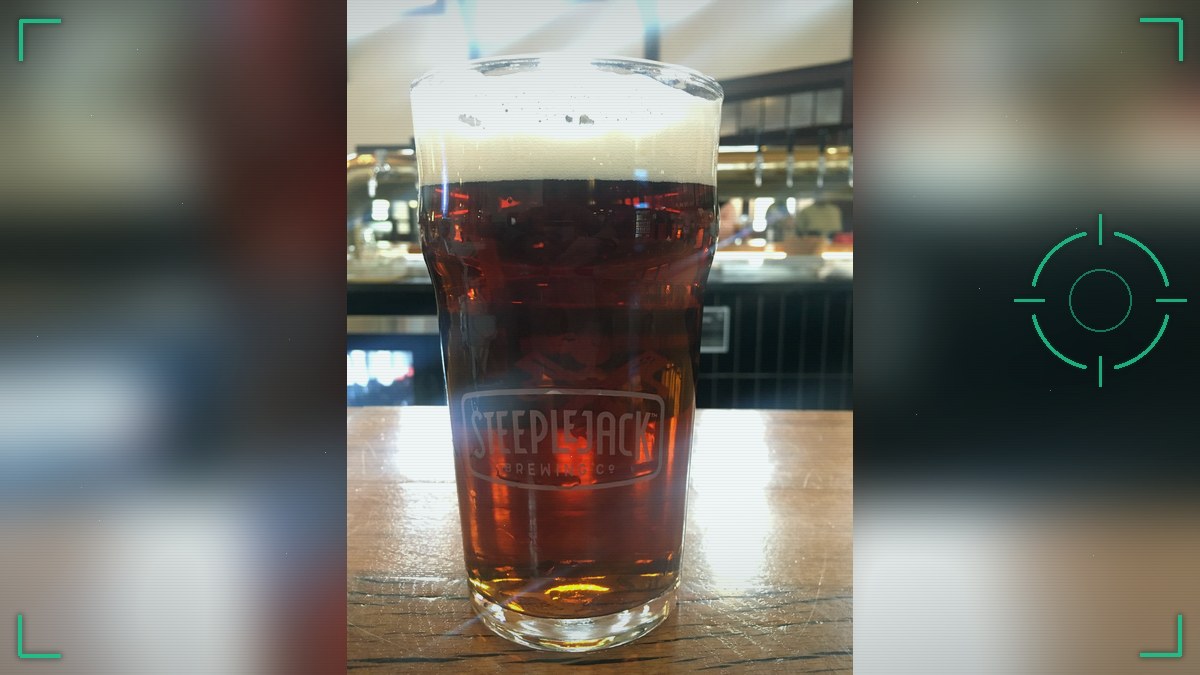
Kentucky Common beer was Louisville’s fresh, dark session ale. Historical brewery records challenge the sour-mash story, but a 1906 account deserves a closer look.
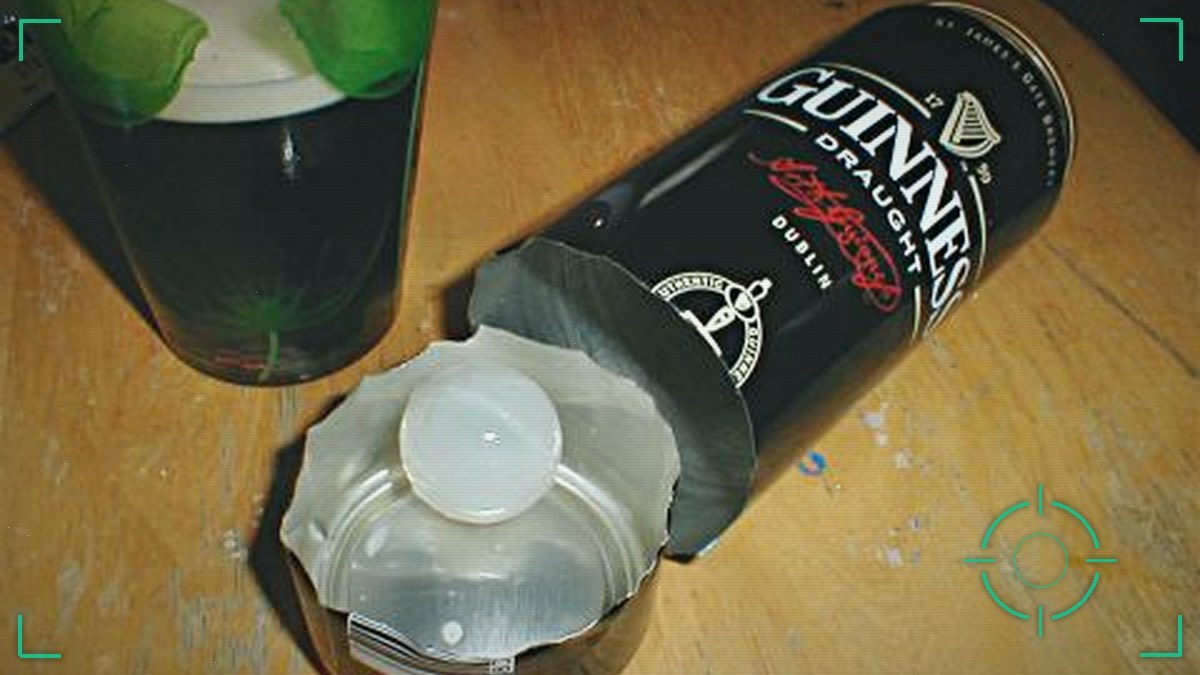
The style gets its creamy head and soft, low-fizz pour from nitrogen dissolved alongside the usual carbon dioxide. In a can, a small device called a widget does the job a tap does at the bar. Guinness calls its widget a nitrogen-filled ball that “releases the magic surge of bubbles” the moment the can opens….
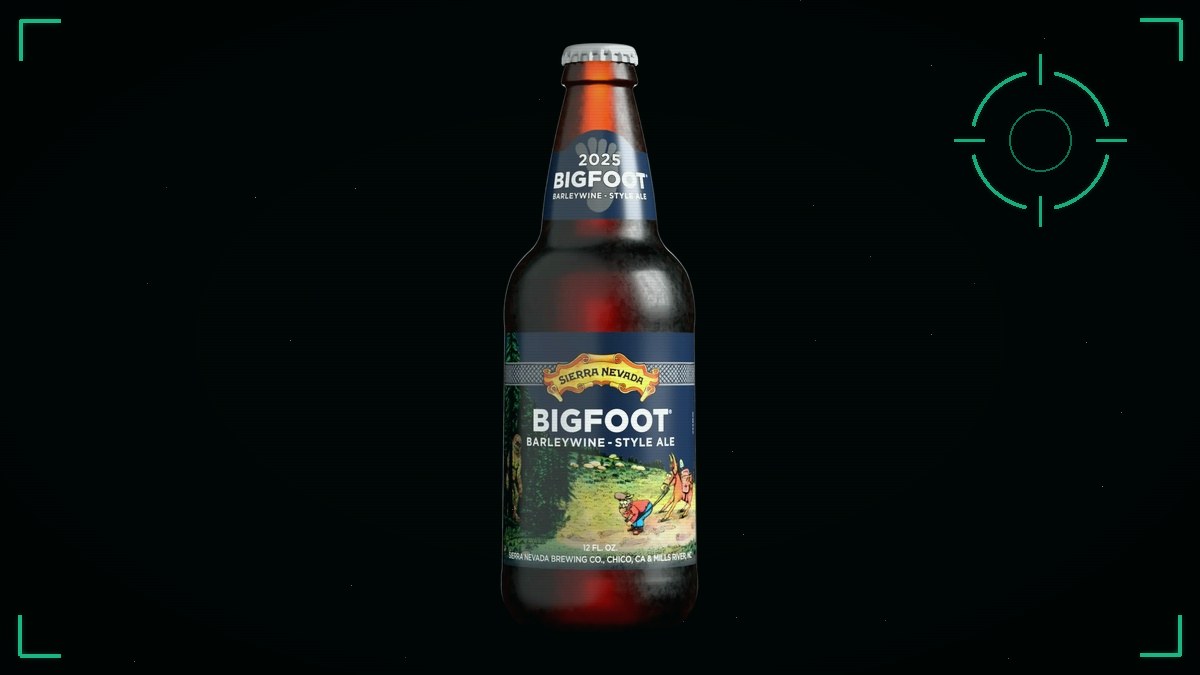
Same strength, different balance. How English barley wine and American barleywine compare, where they came from, which to age, and how to serve them.
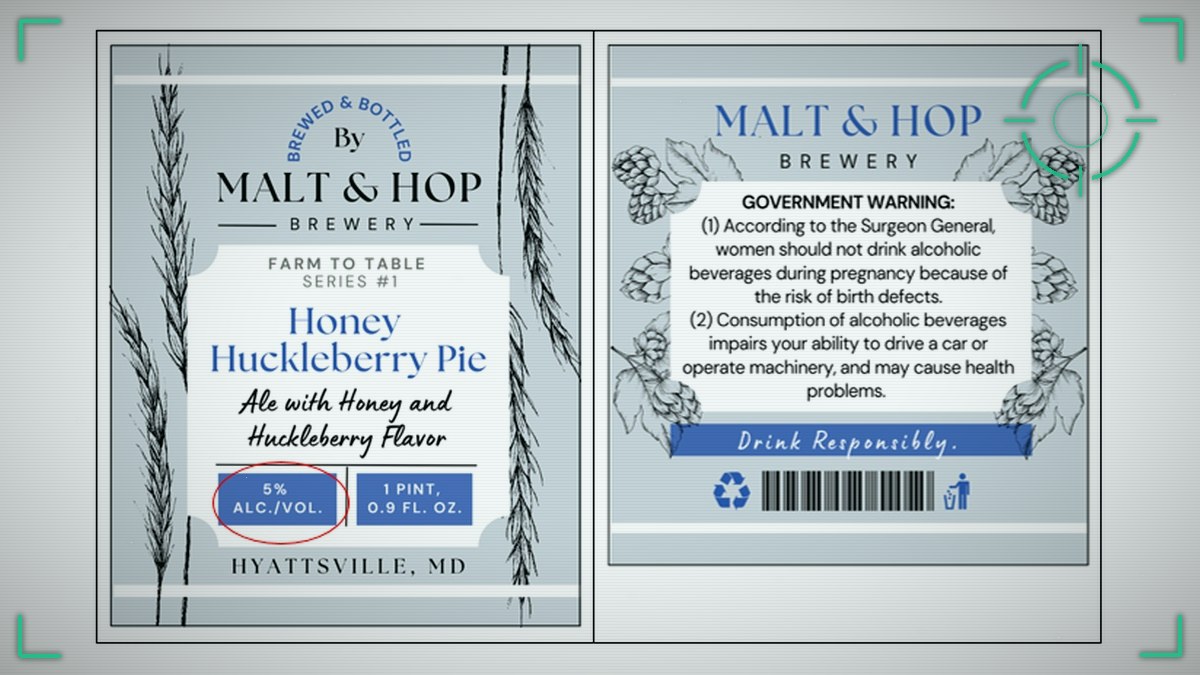
What a TTB Certificate of Label Approval is, who needs one, how to look one up, and what it can and can’t tell you about a new beer.
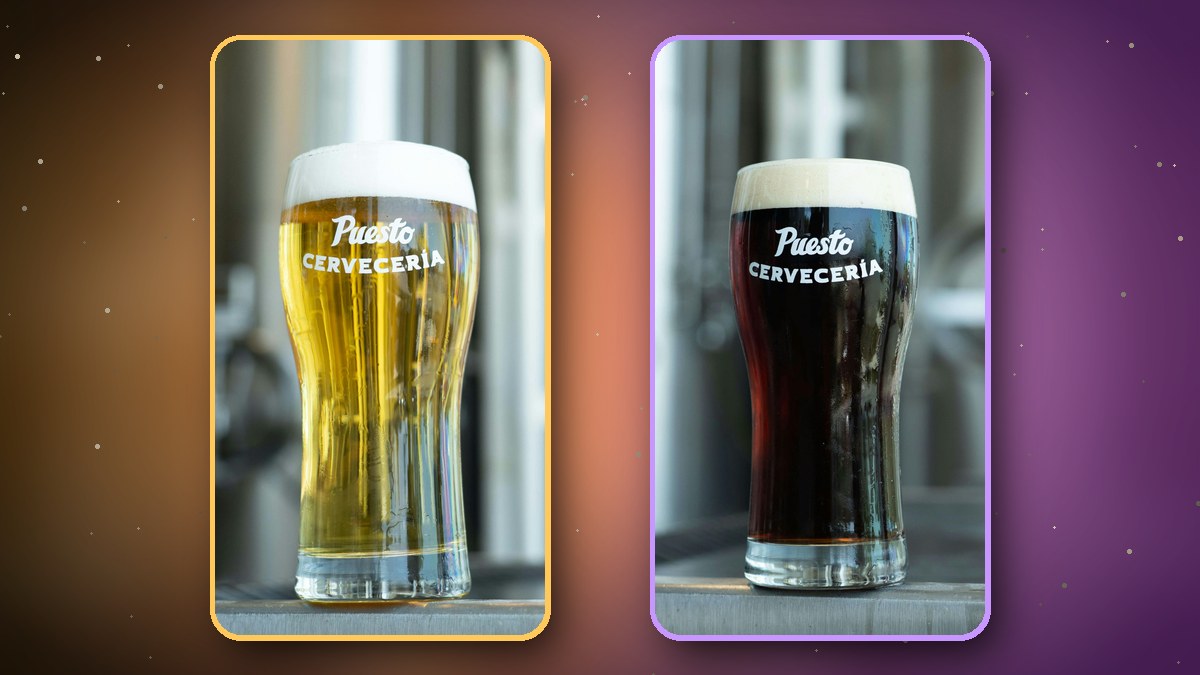
Every October, Bureau field agents in San Diego report the same migration: marigolds in shop windows, sugar skulls on bar tops and, in nearly every cooler, a crisp Mexican-style lager. With Dia de los Muertos arriving Nov. 1 and 2, this is our specimen classification for Earthlings who want to know what they are actually…
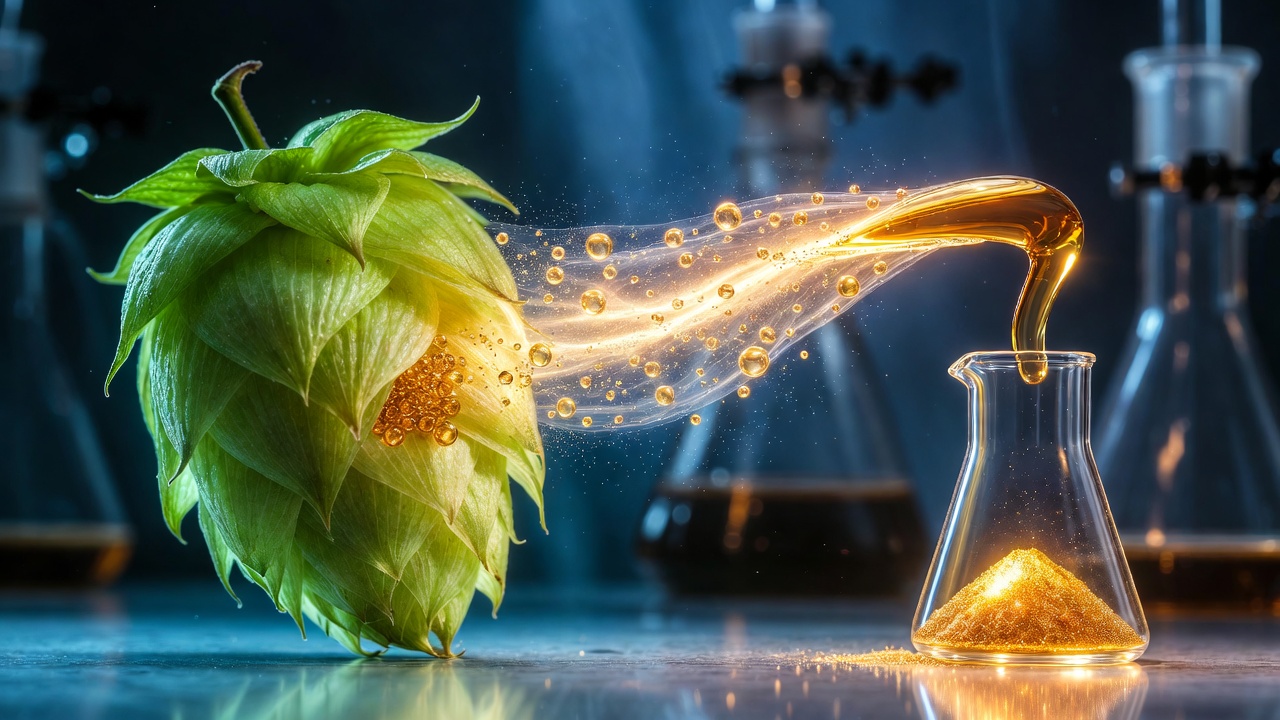
In modern craft brewing—particularly within the relentless evolution of India Pale Ales—the quest for maximum hop saturation with minimal vegetative interference has shifted from a subtle preference to a primary technical discipline. Historically, brewers relied on whole cone hops and traditional T-90 pellets to deliver alpha acids, beta acids, and delicate essential oils to the…
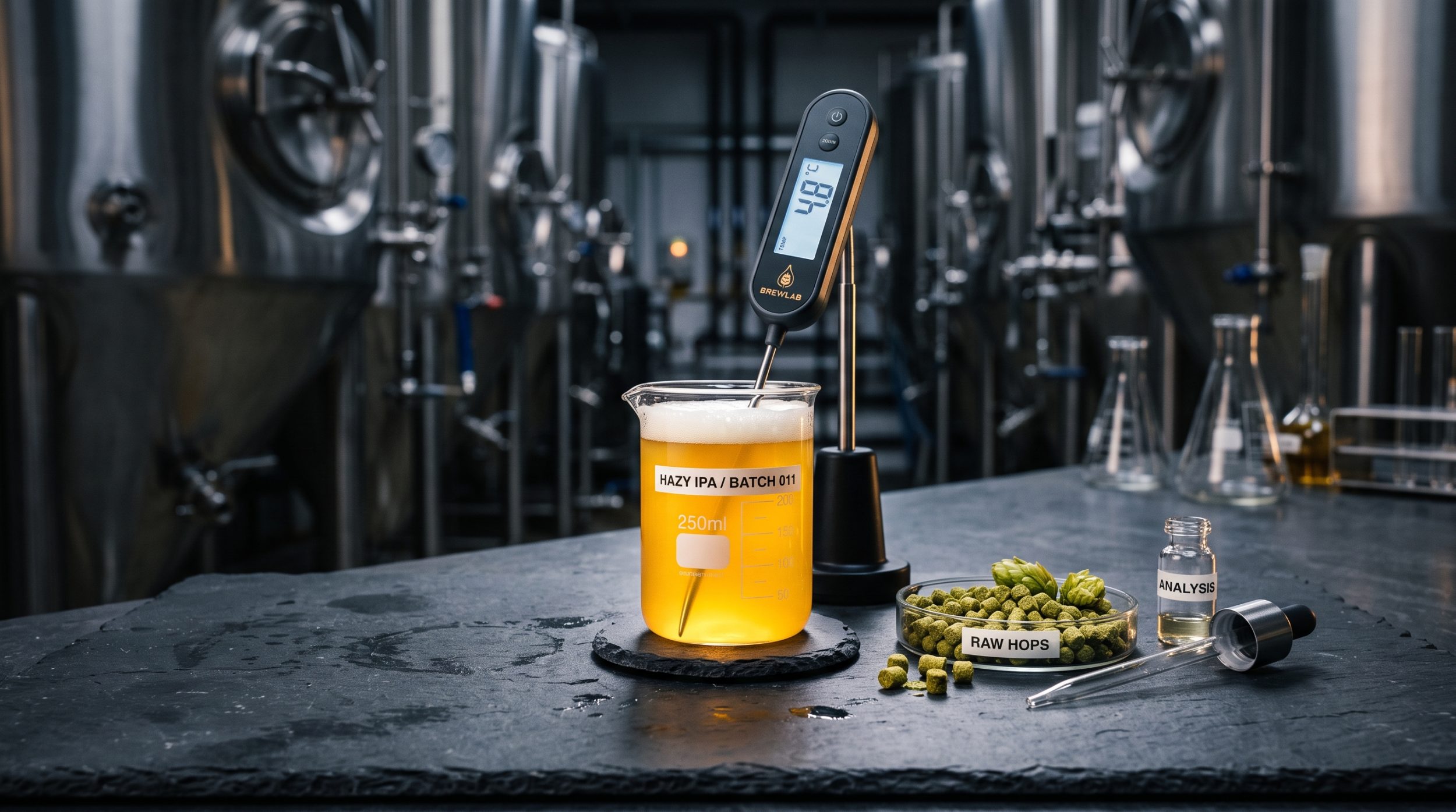
Welcome to the next investigation in our Hop Forensics series, where we examine the chemistry, brewing mechanics, and sensory science behind your favorite craft beers. For decades, the term “IPA” was synonymous with tongue-scraping bitterness, intense pine resin, and a sharp bite that made non-craft drinkers recoil. Then came the New England Hazy IPA (NEIPA),…
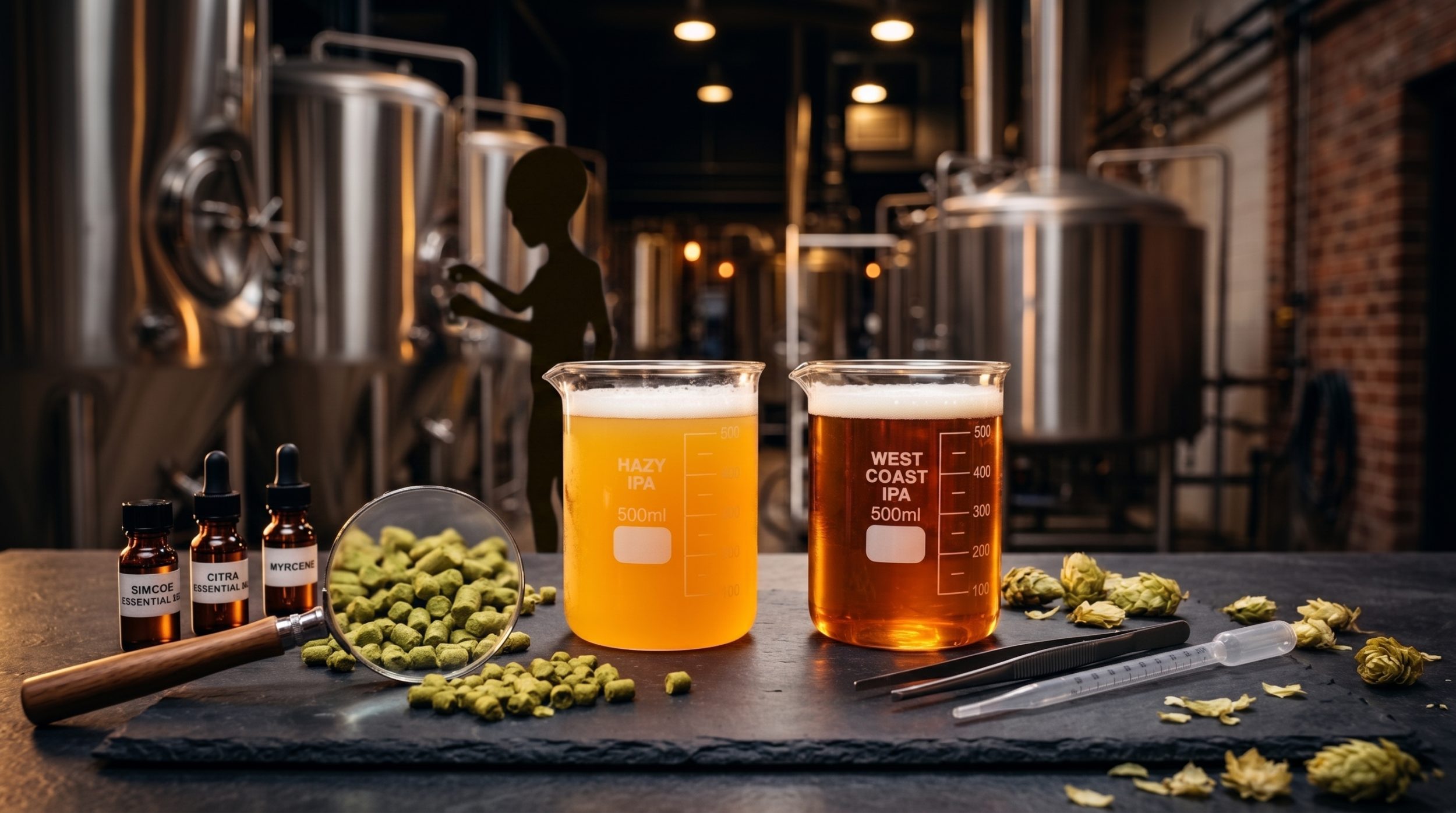
Welcome to our new series, Hop Forensics, where we break down the underlying chemistry, brewing mechanics, and sensory science behind your favorite craft beers. Our first investigation: Does Hazy IPA go bad faster than clear IPA? The short answer is yes—unquestionably. Hazy IPAs (NEIPAs) spoil, oxidize, and lose their desirable flavor profiles significantly faster than…
 BeerAlien