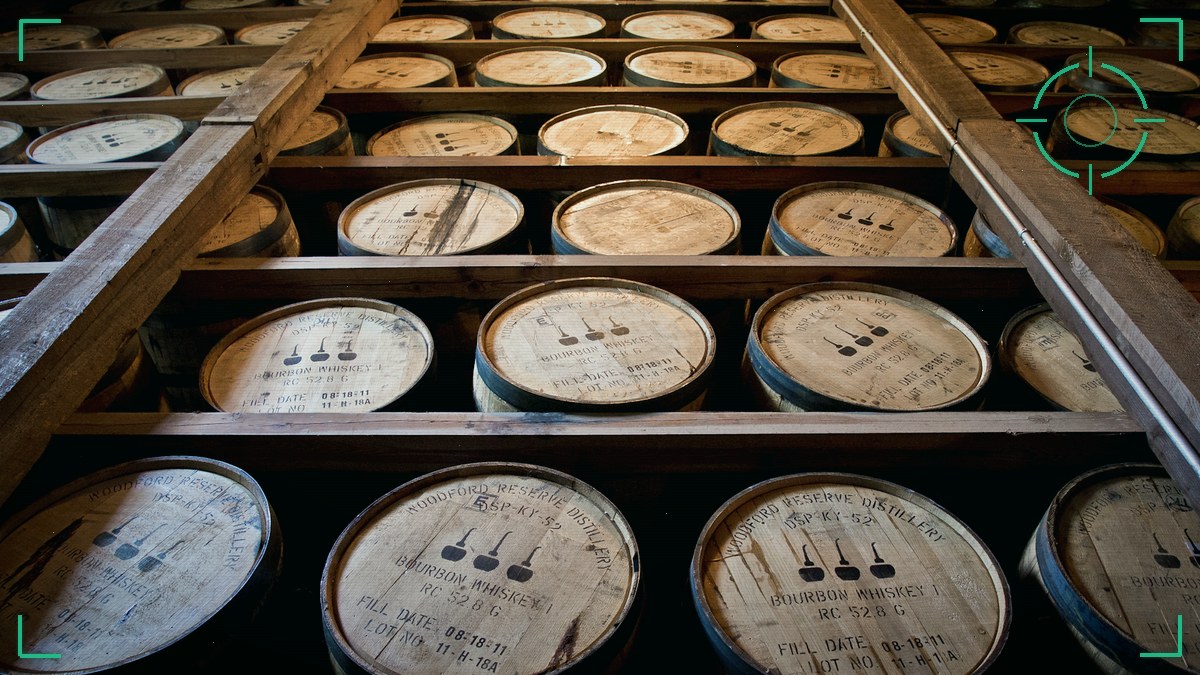
Every Black Friday, people line up for beer that spent a year, or five, sleeping in wood. Barrel-aged beer is now one of craft’s biggest annual events, yet most drinkers only know the label: “aged in bourbon barrels.” This guide to barrel-aged beer explains what bourbon, rye and port barrels actually add, why the aging takes so long, and why so many releases land on the same Friday. One example is Lakefront Brewery in Milwaukee, which lists a 5-year imperial stout aged in bourbon barrels from 2021 to 2026 and a cranberry mead aged in white port barrels on its Black Friday menu.
What is barrel-aged beer?
Barrel-aged beer is beer finished in a wooden barrel, usually oak, so that it picks up flavor from the wood and from whatever the barrel held before. That is a modern idea. According to The Oxford Companion to Beer, as published by Craft Beer & Brewing, brewers from the early 1800s on worked hard to avoid wood flavor, even lining barrels with pitch, and today’s craft brewers use wood on purpose.
The U.S. wave leaned on Chicago. Goose Island’s own barrel history timeline says Bourbon County Brand Stout was first brewed in 1992 and first packaged and released in Chicago in 2005, and Craft Beer & Brewing notes that some credit the beer with ushering in the modern era of barrel-aged beer in spirit barrels.
What do bourbon barrels add?
Bourbon barrels are the default for barrel-aged beer because of a legal quirk. Federal rules require bourbon to be stored in charred new oak containers, so a distillery uses each barrel once for bourbon, and that leaves used barrels for brewers. The Kentucky Distillers’ Association says the most common char is “No. 4,” about 55 seconds, which leaves the inside of the stave looking like alligator skin.
The wood does most of the work. The Oxford Companion explains the main contributors:
- Vanillin, a breakdown product of the wood’s lignin, supplies vanilla.
- Oak lactones add the “oaky,” herbaceous notes and, in higher amounts, rose or coconut.
- Heated wood sugars caramelize into toasty, bread-like, burnt-sugar and bitter-almond flavors.
- Charring can also create smoky, medicinal phenols.
- Tannins add astringency, but toasting and a previous resident usually leave brewers with few to worry about.
The whiskey leaves its mark too. A Goose Island educator wrote on Heaven Hill’s blog that Bourbon County barrels are not washed or steamed, so a bit of full-strength bourbon stays in the bottom and mingles with the beer immediately. He also lists vanilla, coconut, smoke, leather, tobacco and oak among the flavors the beer pulls from the charred wood.
What do rye and port barrels add?
Rye whiskey barrels share bourbon’s foundation. The same federal standard, in the 2021 edition of 27 CFR 5.22, requires rye whiskey to be stored in charred new oak, so rye barrels arrive with similar oak character. What changes is the spirit that soaked in. Central Waters Brewing, for example, says it ages its imperial stout in rye whiskey barrels for a full year, “imparting the dry spicy notes of rye with the rich notes of the stout.”
Port barrels are a different animal. They are used wine casks, and CraftBeer.com reports that port barrels add hints of dried plum and other dark fruits, with The Bruery treating one year in wood as its standard. Wolf’s Ridge Brewing’s head brewer wrote in Craft Brewing Business that a port barrel made his imperial stout taste like chocolate-covered cherries, and noted wine casks run slightly larger, 59 to 60 gallons versus 53 for bourbon. White port is gentler. Lakefront’s own page for its cranberry mead lists vanilla, oak, peach preserves and orange blossom from white port barrels.
Why does barrel-aged beer take so long?
There is no shortcut with barrel-aged beer. Warmer temperatures extract flavor faster, but the Oxford Companion warns those flavors can be “rough, coarse, or hot” and gain finesse only if allowed to age out. Colder storage slows development and lets the beer mellow, and most brewers settle between 50°F and 60°F when they can. The barrel’s own age matters too: new barrels are rare in brewing and can overwhelm a beer, while Goose Island says four- to six-year-old barrels strike a balance between charred wood and bourbon flavor.
So how long is long? Goose Island says its Bourbon County Stout ages about 12 months, going in at 11 to 12% ABV and coming out at 14 to 16%, because evaporation removes water. The same post describes summer heat pushing beer into the charred wood and winter cold pulling it back. Central Waters ages a year as well, while The Bruery’s Chronology series is racked at 6, 12, 18 and 24 months because, in a quote CraftBeer.com ran in its Bruery profile, “some are best at six months, some at 12 months and some at 24 months.” Lakefront’s 5-year stout, listed at 15.72% ABV, is far past the long end of that range.
The loss is real, too. The Kentucky Distillers’ Association says whiskey loses about 3% to 5% a year to evaporation, the “angel’s share,” and a leaky stave can lose up to 15% in a year. Warmer storage speeds that loss, and the Oxford Companion notes brewers may need to top up barrels more often. As New Belgium’s Lauren Salazar told Craft Beer & Brewing in a 2015 feature, barrel aging is “going to take a lot longer than you think.”
Why are barrel-aged beers released on Black Friday?
Brewers rarely explain their calendars, but the pattern is clear. Goose Island’s timeline says its 2010 Rare Bourbon County Brand Stout was released on Black Friday, “starting the tradition of lining up for Bourbon County that lives on today.” Heaven Hill’s blog says the beer ages for the better part of a year and is packaged in the fall. A WISN report says one customer has attended Lakefront’s release since it began in 2012, and Lakefront’s Black Friday page says its beers are only available that day.
Neither Goose Island nor Lakefront explains why it picked the day in the pages we read, so treat this as a pattern, not a policy: a year-long barrel schedule that ends in fall fits a late-November release, and a one-day release builds its own line. Either way, the barrel-aged beer in the can is the same. For this year’s releases, see our guides to Bourbon County 2026, False Idol’s Black Friday stouts and barrel-aged stout releases beyond Chicago.
How to read a barrel-aged beer label
When you shop for barrel-aged beer, look for three things: the barrel type, how long the beer sat in it, and the ABV. A bourbon barrel suggests vanilla, oak and caramel, a rye barrel points to dry spice, and a port barrel points to dark fruit. A long barrel time suggests mellower wood and a stronger beer. Treat the whiskey or wine as seasoning, not as a flavor you can count on, and remember that every barrel-aged beer is a little different from the last.
BEERALIEN.COM | Reporting on Earth’s finest craft beers from a galaxy far, far away.