
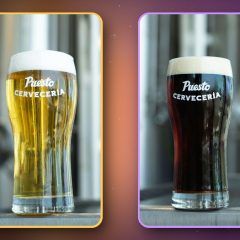
Mexican-Style Lager Field Guide: Light, Amber, Lime and Dia de los Muertos
 BeerAlien
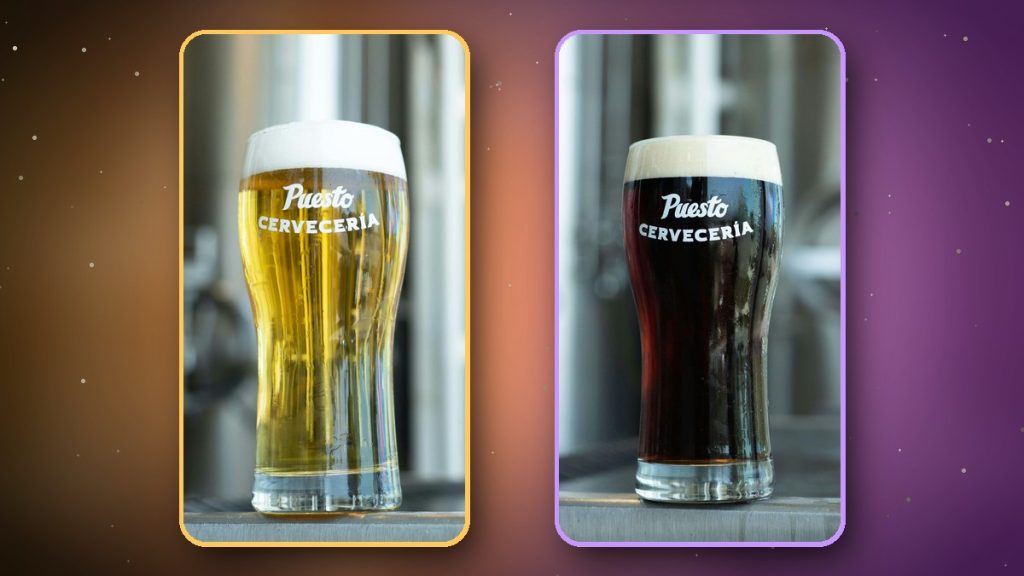
Every October, Bureau field agents in San Diego report the same migration: marigolds in shop windows, sugar skulls on bar tops and, in nearly every cooler, a crisp Mexican-style lager. With Dia de los Muertos arriving Nov. 1 and 2, this is our specimen classification for Earthlings who want to know what they are actually…
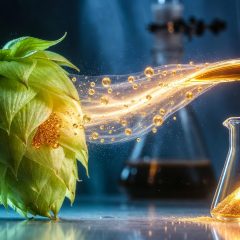
Hop Extracts vs. Whole Cone & Pellets: Advanced Hop Guide
 Raymond
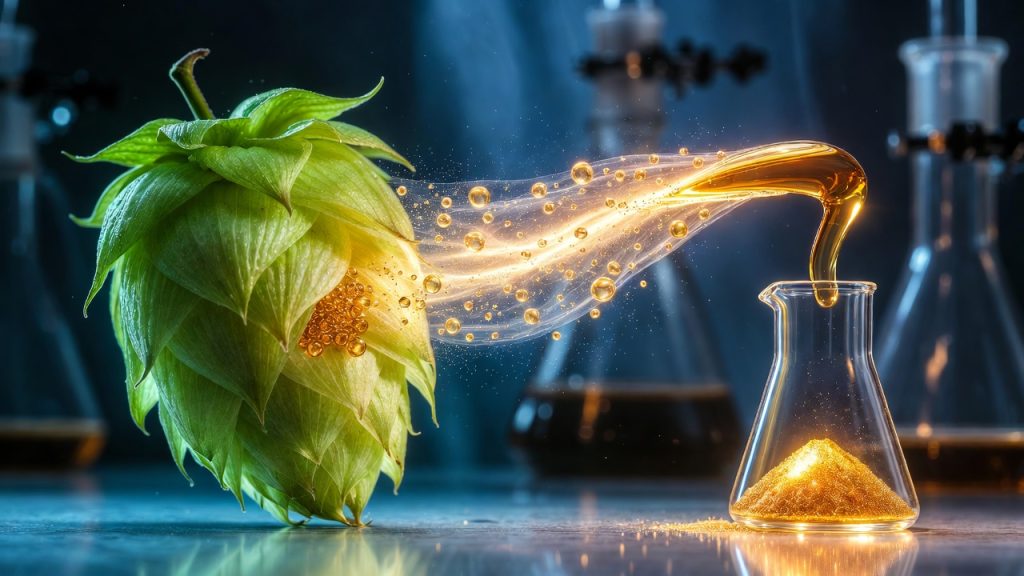
In modern craft brewing—particularly within the relentless evolution of India Pale Ales—the quest for maximum hop saturation with minimal vegetative interference has shifted from a subtle preference to a primary technical discipline. Historically, brewers relied on whole cone hops and traditional T-90 pellets to deliver alpha acids, beta acids, and delicate essential oils to the…
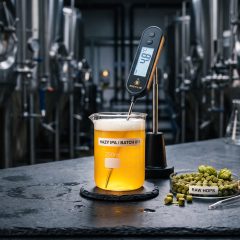
Why Is Hazy IPA Not Bitter? (The Science of Low Bitterness)
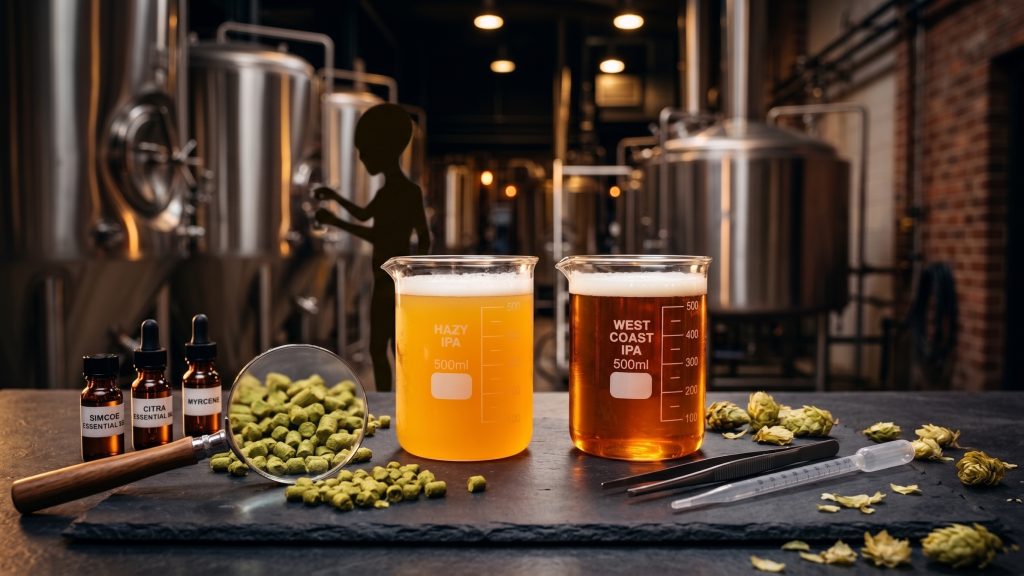
Welcome to the next investigation in our Hop Forensics series, where we examine the chemistry, brewing mechanics, and sensory science behind your favorite craft beers. For decades, the term “IPA” was synonymous with tongue-scraping bitterness, intense pine resin, and a sharp bite that made non-craft drinkers recoil. Then came the New England Hazy IPA (NEIPA),…
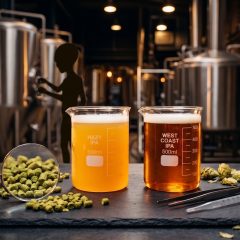
Does Hazy IPA Go Bad Faster Than Clear IPA? (The Chemistry of Hop Degradation)
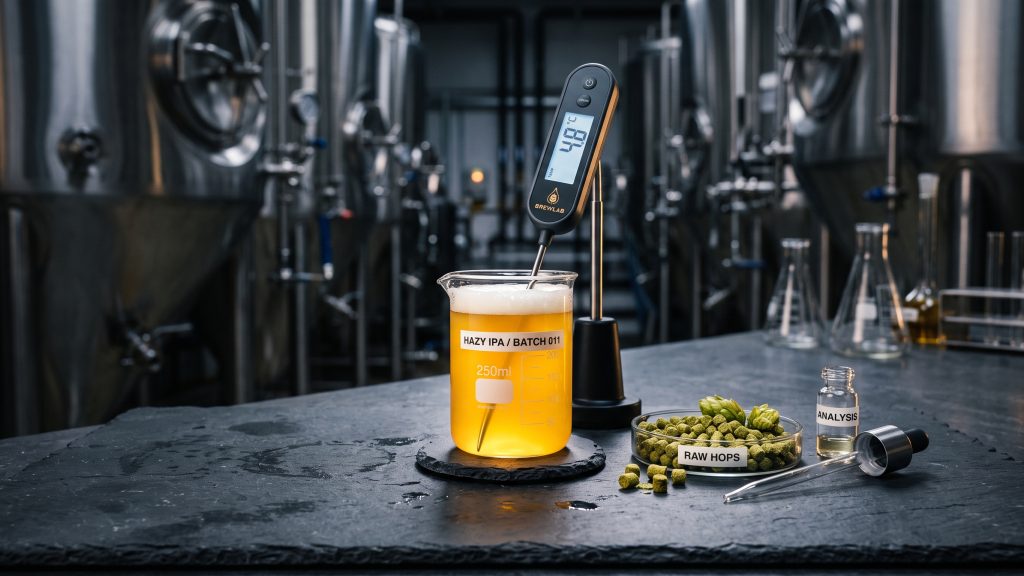
Welcome to our new series, Hop Forensics, where we break down the underlying chemistry, brewing mechanics, and sensory science behind your favorite craft beers. Our first investigation: Does Hazy IPA go bad faster than clear IPA? The short answer is yes—unquestionably. Hazy IPAs (NEIPAs) spoil, oxidize, and lose their desirable flavor profiles significantly faster than…