American vs. English barleywine comes down to one question: is the hop or the malt in charge? Both are big, strong ales, usually 8% to 12% ABV. The English version leans rich, malty and fruity. The American version keeps that malt but adds far more hop bitterness and aroma. Here’s how they differ, using the Beer Judge Certification Program (BJCP) style guidelines as our main reference.
Barleywine is traditionally a brewery’s strongest ale, often a winter release and often vintage-dated, per the BJCP. It’s a sipping beer, not a session beer. The British usually write it as two words, “barley wine,” while Americans write “barleywine,” the BJCP notes.
American vs. English barleywine at a glance
| Spec | English Barley Wine (BJCP 17D) | American Barleywine (BJCP 22C) |
|---|---|---|
| ABV | 8–12% | 8–12% |
| Bitterness (IBU) | 35–70 | 50–100 |
| Color (SRM) | 8–22 (golden amber to dark brown) | 9–18 (amber to medium copper) |
| Original gravity | 1.080–1.120 | 1.080–1.120 |
| Final gravity | 1.018–1.030 | 1.016–1.030 |
| Hops | English: floral, earthy, tea or marmalade-like | Typically American: citrusy, fruity or resiny |
| Balance | Malty, sometimes somewhat bitter | Malty, but always bitter |
Source: BJCP 2021 Style Guidelines, styles 17D and 22C.
The Brewers Association, through CraftBeer.com, uses slightly different numbers: 60 to 100 IBU and 8.5% to 12.2% ABV for American barley wine, and 40 to 60 IBU and 8.5% to 12% ABV for British-style barley wine. The direction is the same either way: the American version is the more bitter one.
Where American vs. English barleywine came from
The BJCP calls English barley wine a modern descendant of the strongest Burton ales. Bass No. 1 was first called a barley wine in 1872, per the English Barley Wine guideline. The style was traditionally dark until Tennant first produced Gold Label, a gold-colored version, in 1951.
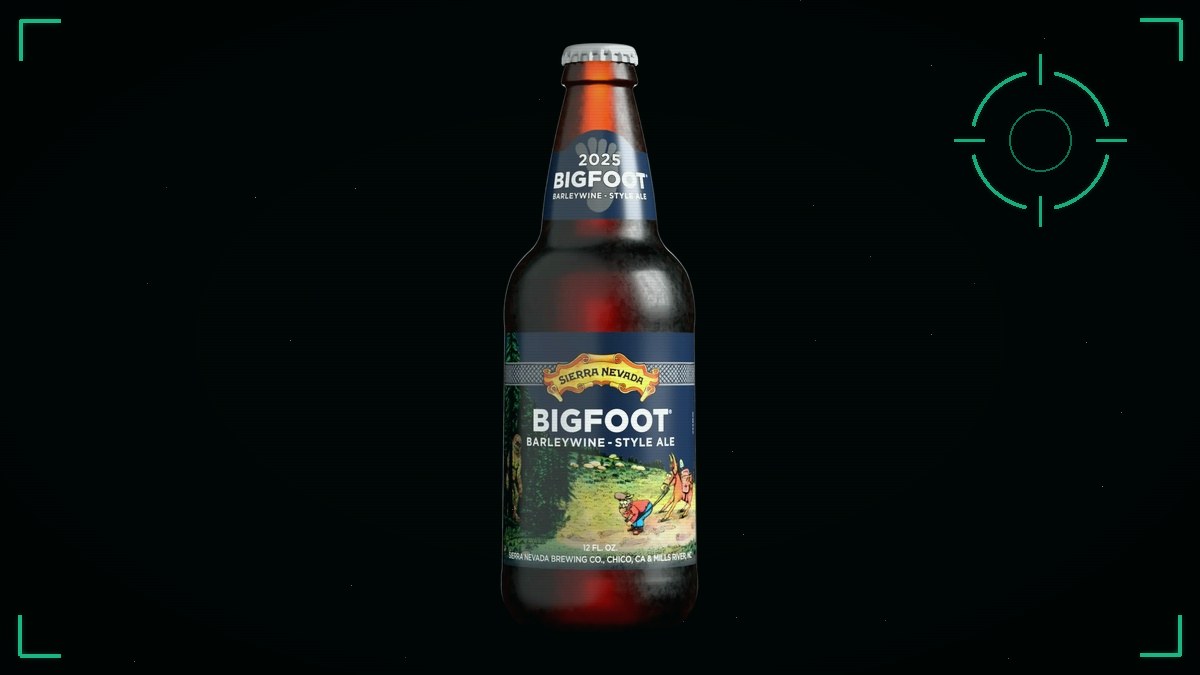
The American take is an adaptation of that English style using American ingredients and balance. Per the BJCP, one of the first American craft versions was Anchor Old Foghorn, first brewed in 1975. Sierra Nevada Bigfoot, first brewed in 1983, “set the standard for the hop-forward style of today.” The BJCP also repeats a story: when Sierra Nevada first sent Bigfoot for lab analysis, the lab said it was too bitter, and the brewery replied, “thank you.”
Malt and hops: the real American vs. English barleywine difference
The BJCP describes English barley wine as very rich and strongly malty, with bread, biscuit and caramel flavors, often with dark or dried fruit. Hop character “can vary wildly,” from light to strong, but it’s English in flavor. Pale versions seem more bitter and hop-forward than dark ones. Typical ingredients are British pale and crystal malts, often brewing sugars, English hops and British yeast.
For American barleywine, the BJCP says strong malt and hop aroma dominate together. Bitterness runs moderately strong to aggressive, tempered by a rich malty palate. Dark malts are used “with great restraint,” so it’s usually paler than dark English examples and lacks their deeper malt flavors. The BJCP also separates it from a double IPA: the hops aren’t as extreme, the malt is more forward and the body is fuller.
In short, for American vs. English barleywine, think marmalade and toffee versus citrus, resin and toffee.
American vs. English barleywine examples to try
- English: J.W. Lees Harvest Ale, Fuller’s Golden Pride, Robinson’s Old Tom and Coniston No. 9 Barley Wine are among the BJCP’s commercial examples. J.W. Lees brews Harvest Ale once a year with the first hops of the harvest, and says the vintages vary noticeably. Its brewery blog says the first Harvest Ale was brewed in 1986.
- American: Anchor Old Foghorn, Sierra Nevada Bigfoot and Hair of the Dog Doggie Claws are BJCP examples. CraftBeer.com adds San Diego’s AleSmith Old Numbskull. Sierra Nevada lists Bigfoot at 9.6% ABV and 90 IBU, with Cascade, Centennial and Chinook hops, available January through April.
- Not every example is brewed every year, so check a current source before you go hunting.
Aging American vs. English barleywine
Barleywine is one of the few beer styles people deliberately cellar. The BJCP says both versions change with time. English examples can pick up a sherry, wine or port quality, and their fruit comes forward. American examples tend to dry out and smooth out, and their hop intensity fades.
Sierra Nevada’s advice for Bigfoot is simple: store bottles in a cool, dark place. It says some strong beers “become more complex as oxygen sneaks in over the years,” picking up sherry or port notes. That’s the opposite of most beer, including hazy IPA, which we covered in our look at how fast hazy IPA goes bad.
Serving American vs. English barleywine
CraftBeer.com suggests a snifter at 50 to 55°F for both styles. For food, it lists English Stilton, dark chocolate and Moroccan duck for British-style barley wine, and strong blue cheeses, beef cheek and rich desserts for the American version. Pour small. At up to 12%, a barleywine is a nightcap, not a thirst quencher.
American vs. English barleywine FAQ
Our sensors detect a lot of debate on this planet about American vs. English barleywine. The Bureau’s verdict: try one of each, side by side, and let your own palate file the report.
Transmission complete.
BEERALIEN.COM | Reporting on Earth’s finest craft beers from a galaxy far, far away.

 BeerAlien

 Terry Bunch


 Gaaron Varner
