A beer label approval is the federal sign-off a brewery needs before it can bottle or can many beers for sale across state lines. It’s called a Certificate of Label Approval, or COLA, and it’s issued by the Alcohol and Tobacco Tax and Trade Bureau (TTB). Here’s how to read one, using TTB’s own label approval basics and its public tools.
When we write that a new beer “just got label approval,” this is what we mean: a beer label approval is often the first public sign that a new can is on the way.
What a beer label approval is
TTB says a COLA is required for malt beverages sold in interstate commerce. For federal label purposes, a malt beverage is beer made with both malted barley and hops. The bottler or importer must get the COLA before bottling. TTB charges no fee, and it says approval often takes less than a week.
There are exceptions:
- Beer sold only within the state where it’s made needs neither a COLA nor a certificate of exemption, TTB says.
- Beer brewed without both malted barley and hops isn’t a “malt beverage” under federal labeling law, so it doesn’t need a COLA. Its labels fall outside TTB’s COLA requirement.
- The regulation itself, 27 CFR 7.21, adds a wrinkle: for interstate shipments, a COLA is required only if the destination state requires beer to meet the federal labeling rules.
How to look up a beer label approval
Anyone can search TTB’s Public COLA Registry. No login is needed. It shows approved COLAs, as well as expired, surrendered and revoked ones, plus limited basic permit information about the applicant.
TTB’s search guide explains the basics. You can search by brand name, a brewer’s Basic Permit number or the date completed, among other options, and use % as a wildcard (so %Haze% finds any name containing “Haze”). Clicking a TTB ID opens the COLA detail page, with a printable copy of the approval. Images are available for e-filed applications received after June 2003 and most paper COLAs issued since 1999.
Some things you won’t find there. Only approved labels appear, so you can’t see rejected or returned applications. Formula information isn’t public either.
Decoding the TTB ID
Every beer label approval has a 14-digit TTB ID, and it tells a little story. Per TTB’s Public COLA Registry user manual:
| Digits | What they mean |
|---|---|
| 1–5 | Year and Julian day TTB received the application (26295 = 2026, day 295, or Oct. 22) |
| 6–8 | How it was received: 001 e-filed, 002 or 003 mail or overnight, 000 hand delivered |
| 9–14 | A daily sequence number |
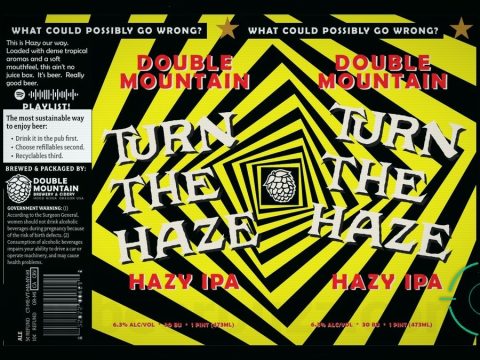
Example: Double Mountain Turn The Haze, TTB ID 26295001000770. Source: TTB Public COLA Registry user manual.
What a beer label approval status means
| Status | What it means |
|---|---|
| Approved | The holder may bottle or pack the beer using labels identical to the approved ones. Approved COLAs generally don’t expire. |
| Surrendered | The holder voluntarily gave it up. |
| Revoked | TTB rescinded it, for example because the rules changed or it was approved in error. |
Expired COLAs also appear in the registry. Source: TTB Public COLA Registry user manual.
Reading the label on a beer label approval
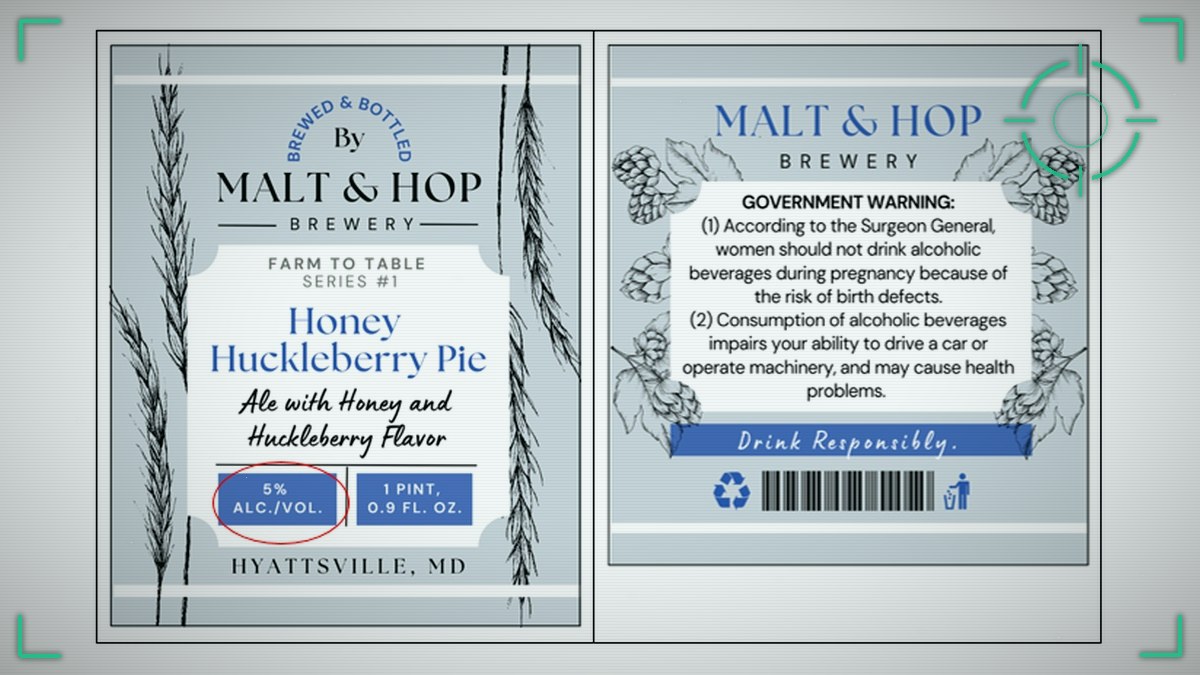
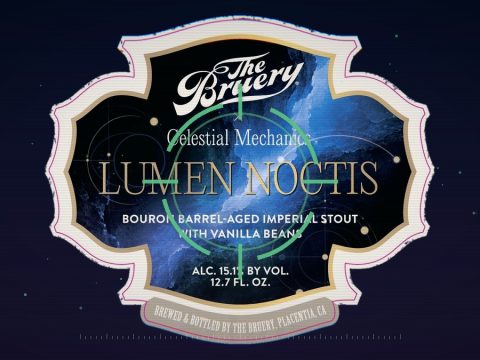
The approved image is where the fun is: the name, style, can size, art and often the ABV. A few TTB rules, from its malt beverage alcohol content page, help you read it:
- An alcohol content statement is required only if some of the alcohol comes from added flavors or other added nonbeverage ingredients (hops extract excepted). Otherwise it’s optional, unless state law requires or prohibits it.
- For beers of 0.5% or more, the stated alcohol content must be within 0.3 percentage points of the actual content.
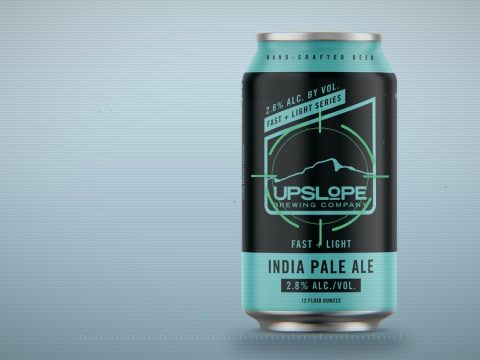
- The abbreviation “ABV” isn’t allowed on the label. Only “alc.” and “vol.” may be used as abbreviations, which is why cans say things like “ALC/VOL.”
- “Low alcohol” means under 2.5%. Separate rules cover “non-alcoholic” and “alcohol-free.”
What a beer label approval doesn’t tell you
- A release date. Approval clears a label; it doesn’t schedule a launch.
- Where it will be sold, or the price.
- That the beer is coming soon. Some labels take months to show up in stores.
Timing varies a lot. Label tracker Hop Grail says half of the labels it follows appear on shelves within 18 days of approval, and four in five within 44 days.
See it in action in our label-watch posts on Voodoo Ranger Mango Fuerza and 10 Barrel Mostly Down.
Beer label approval FAQ
Next time you see “label approved” in a BeerAlien headline, you’ll know exactly what our sensors picked up. Beer label approval is paperwork, Earthlings, but it’s the most exciting paperwork on your planet.
Transmission complete.
BEERALIEN.COM | Reporting on Earth’s finest craft beers from a galaxy far, far away.
 BeerAlien


 Terry Bunch
