
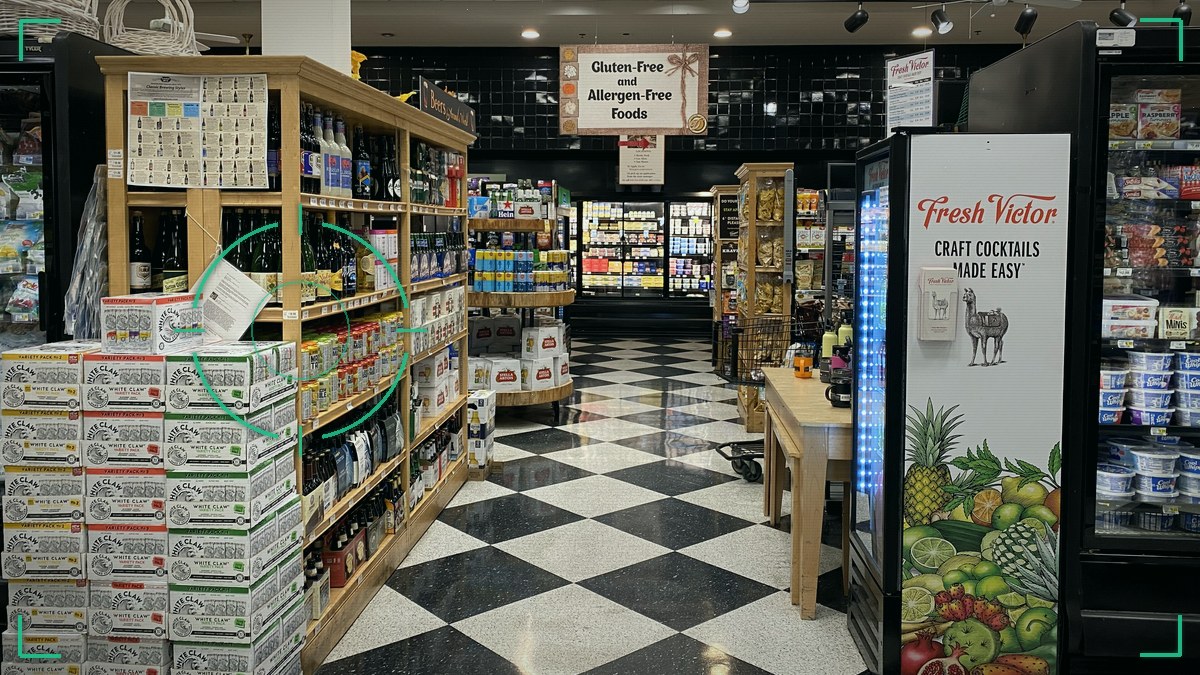
Craft beer is heading into the holidays with less shelf space to count on, and the backdrop is too much beer sitting in the pipeline. Excess inventory built up in the system during the boom, according to the report, and craft is among the categories feeling it. In a report published Friday, Nov. 20, Brewbound said industry-wide rationalization is expected to continue and that flavored malt beverages (FMBs) and craft are leading share losses across channels. That is the headline of the piece by Zoe Licata, and it is the only part we could read directly: the article sits behind Brewbound’s subscriber wall.
Everything below that line comes from Vinetur’s Saturday, Nov. 21 summary of the Brewbound report, so treat it as Brewbound’s reporting as relayed by a second outlet. We have not seen the underlying data, and the summary we read does not include any figures. We are not adding any.
What the report says about shelf space and inventory
According to Vinetur, the report says brewers, distributors and retailers are responding to excess inventory that built up during the recent boom. Vinetur writes that the process is expected to bring more adjustments to distribution plans, shelf space and retail strategy as companies try to bring supply back in line with demand. In its telling, the pressure is falling hardest on smaller or more specialized parts of the market: FMBs and craft are losing share in multiple channels, while mainstream brands are holding up more steadily.
The mechanics, as Vinetur lays them out, are easy to follow. Excess inventory can tie up warehouse space and working capital at distributors. Slower-selling products can weigh on retailer margins and crowd out faster-turning items. As portfolios get trimmed, Vinetur says, distribution gets tighter and shelf space gets harder to win, and suppliers face more competition for placements and less room for experimentation. Vinetur adds that the same routes to market carry many kinds of beverages, so a more selective distributor affects more than beer.
The summary also notes what the report did not say. It did not suggest an industrywide collapse. Vinetur describes a market adjusting after a stretch of overexpansion and likely to stay more selective in the near term, with success defined less by how many new products a company launches and more by how well it manages inventory, defends share and secures reliable distribution.
What analysts told brewers and distributors to do
Vinetur says Brewbound reported that analysts are pointing companies toward a narrower set of priorities: product innovation, stronger consumer engagement and tighter operational discipline. For craft brewers that translates into an uncomfortable test. Vinetur’s reading is that the ability to prove sustained consumer demand may now matter more than the ability to launch quickly. The summary does not say which brands or regions the analysts had in mind, and we would not guess. It also does not say how much shelf space any category has actually lost.
What we can and can’t connect to San Diego
Nothing in the Brewbound headline or the Vinetur summary mentions California or San Diego, so we cannot say how shelf space is shifting in local stores, and it would be a stretch to blame wholesale inventory for any local closure. Our running list of San Diego brewery closures in 2026 shows a rough year, but each entry has its own story. Guadalupe Brewery’s co-owner told The Coast News about the farewell and Dec. 1 closing date for its Vista room, as we covered in our Guadalupe Vista tap house report. The Lost Abbey’s Tomme Arthur told San Diego Beer News that rent was too prohibitive for the building it is leaving, which we outlined in our story on The Lost Abbey leaving its Vista brewery. Neither account points to distributors.
The bigger brewers are feeling a soft market too, which is a reminder that holding share is not the same as growing volume, and that shelf space is only one pressure point. Boston Beer said in October it expected full-year depletions and shipments to fall by mid-single digits, as we reported in our Boston Beer outlook story, and Molson Coors cut its 2026 forecast on Nov. 5, covered in our Molson Coors forecast post. Mainstream brands may be holding share better, per Brewbound, but nobody in that group is describing a boom.
What this means at the cooler door
From orbit, a cooler door looks like a very small parking lot, and the spaces are being reassigned. What that means for your shelf space of choice depends on your store and your distributor, and the report we could read does not break that down. If a favorite can disappears from a shelf this winter, a tighter portfolio is one possible reason, not proof of a problem at the brewery. The one dependable counter-move is the oldest: buy the beer you love where it is made, and ask your bottle shop to keep the cans you want. Retailers watch what sells, and a few requests can help a local can hold its shelf space.
We will update this story on distributors and shelf space if we get access to the full Brewbound report or if a local distributor weighs in.
BEERALIEN.COM | Reporting on Earth’s finest craft beers from a galaxy far, far away.