
Holiday Beer Styles: Winter Warmer vs. Christmas Ale vs. Spiced Ales
 Raymond
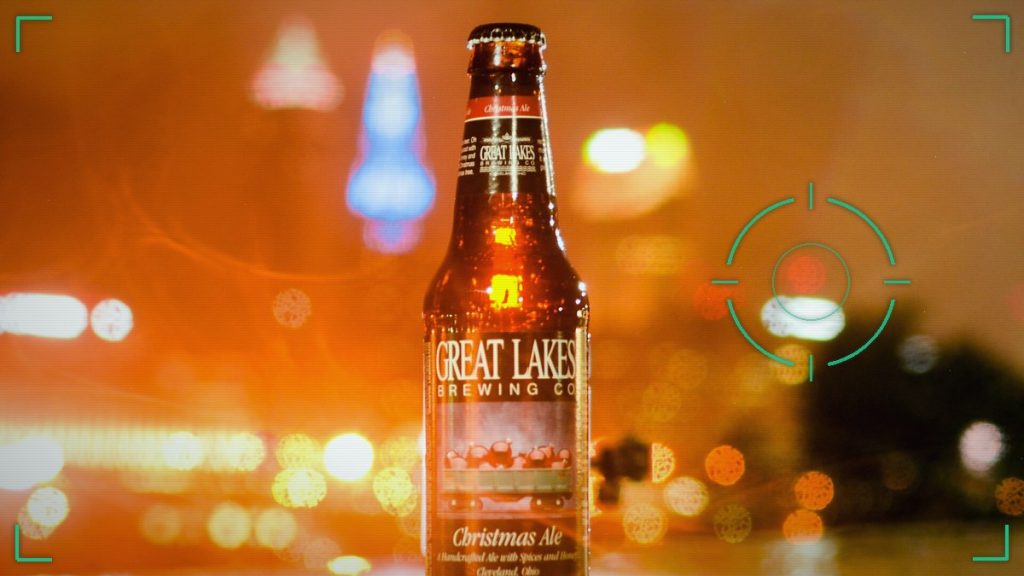
How winter warmers, Christmas ales and spiced or gingerbread ales differ, according to the BJCP, with examples to look for this season.

Czech Dark Lager: A Guide to Tmavé Pivo and Fall Releases to Try
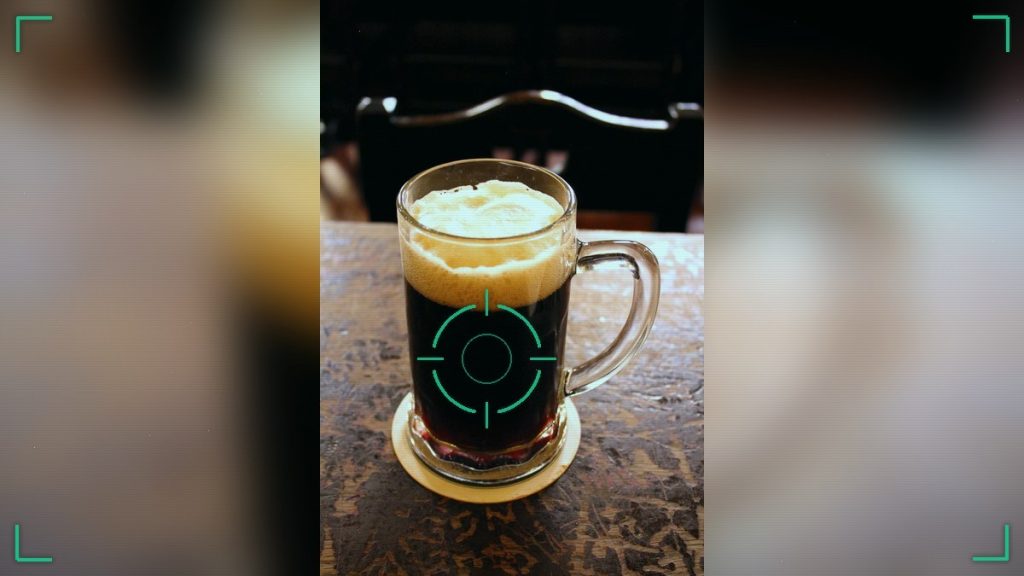
What a Czech dark lager is, its BJCP vital stats, how tmavé pivo compares with dunkel and schwarzbier, and fall releases to try.
What Is a West Coast Pilsner? The Hoppy Lager San Diego Keeps Canning
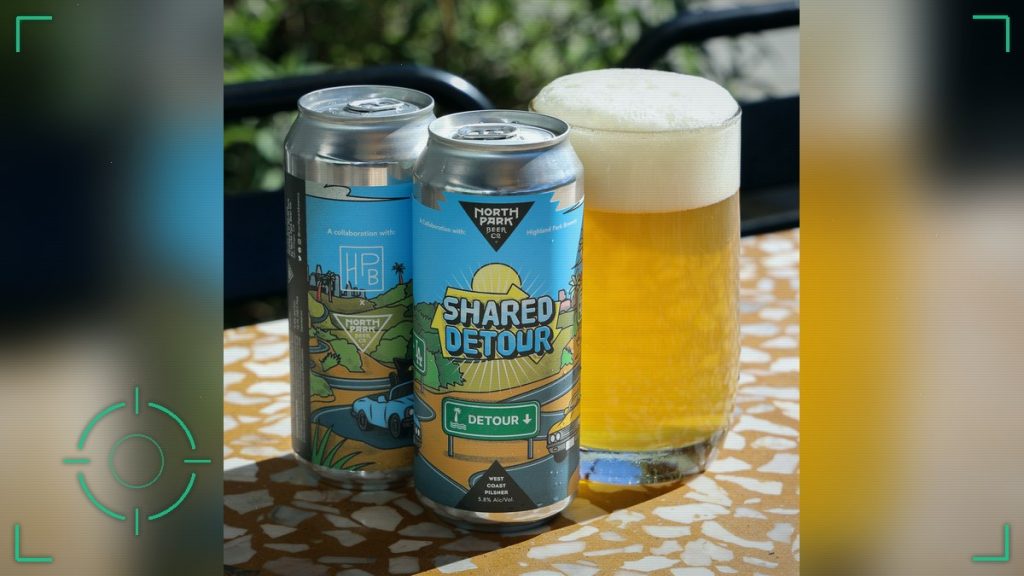
What a West Coast pilsner is, how the Brewers Association now defines it, and current Southern California cans to try.
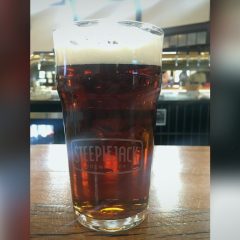
What Is Kentucky Common Beer? The Sour-Mash Myth Explained
Kentucky Common beer was Louisville’s fresh, dark session ale. Historical brewery records challenge the sour-mash story, but a 1906 account deserves a closer look.
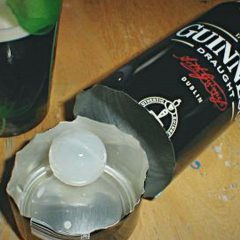
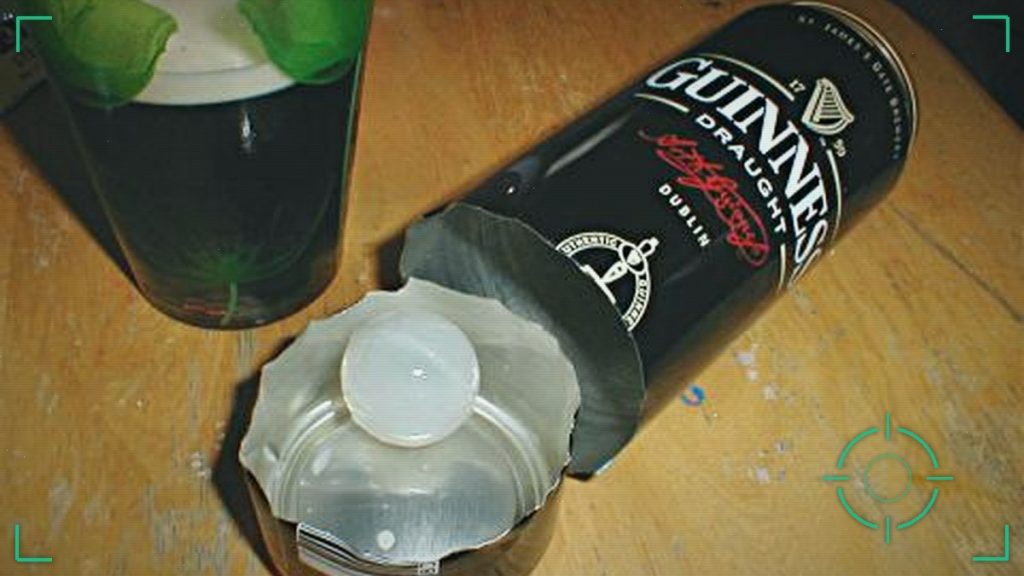
Nitro Stout Explained: Nitrogen, Widgets and Tap vs. Can
 BeerAlien
The style gets its creamy head and soft, low-fizz pour from nitrogen dissolved alongside the usual carbon dioxide. In a can, a small device called a widget does the job a tap does at the bar. Guinness calls its widget a nitrogen-filled ball that “releases the magic surge of bubbles” the moment the can opens….
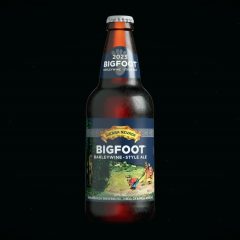
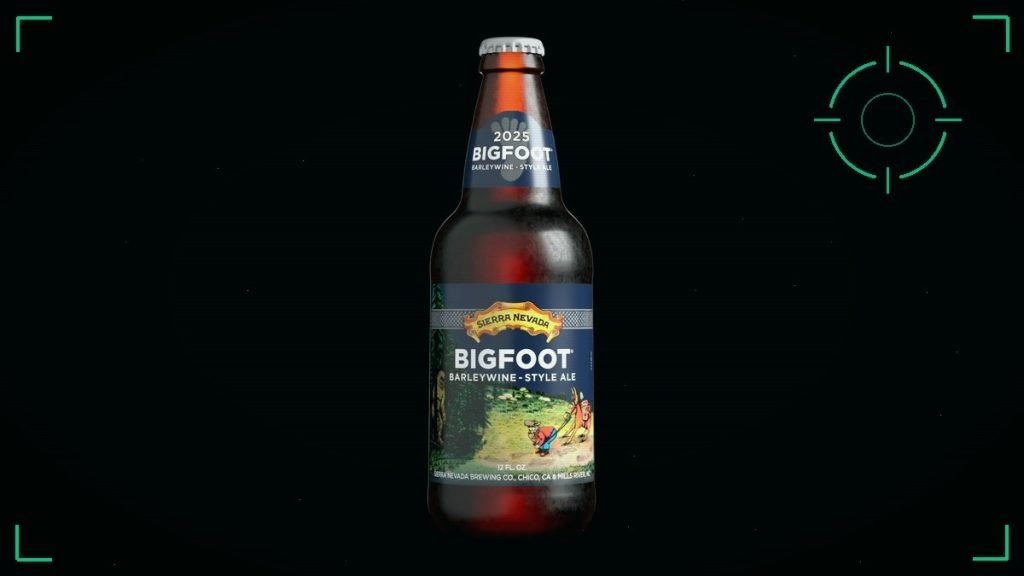
American vs. English Barleywine: History, Hops, Aging and How to Serve It
Same strength, different balance. How English barley wine and American barleywine compare, where they came from, which to age, and how to serve them.
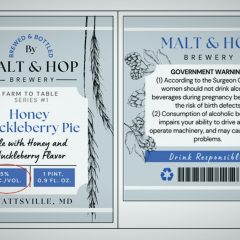
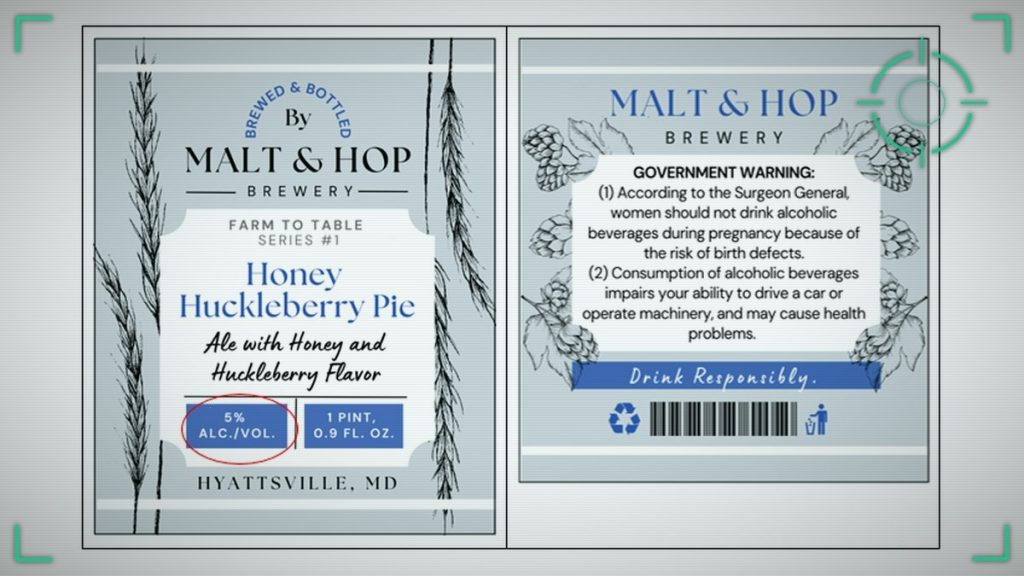
How to Read a Beer Label Approval (TTB COLA) Explained
What a TTB Certificate of Label Approval is, who needs one, how to look one up, and what it can and can’t tell you about a new beer.
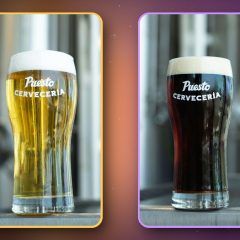
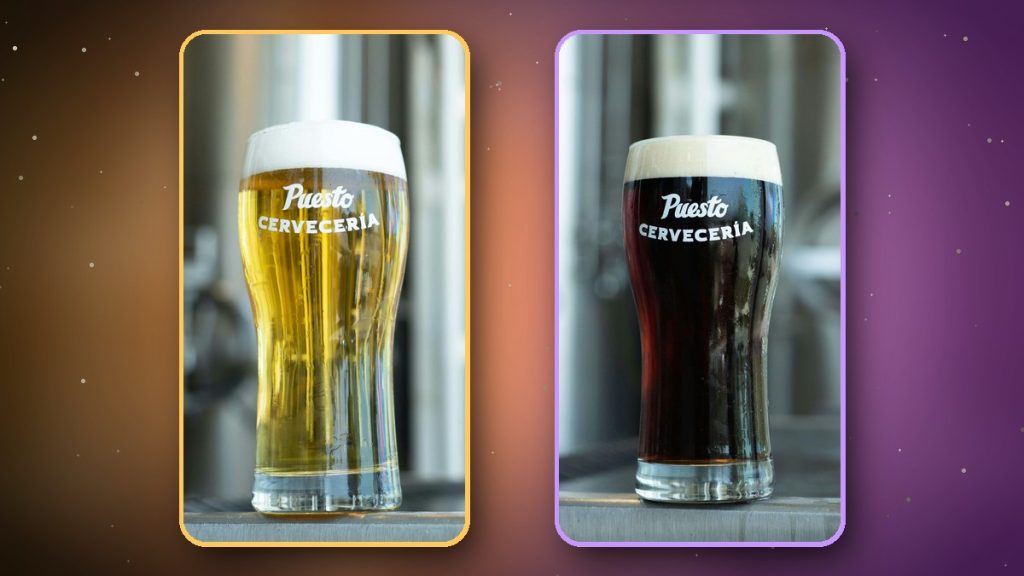
Mexican-Style Lager Field Guide: Light, Amber, Lime and Dia de los Muertos
Every October, Bureau field agents in San Diego report the same migration: marigolds in shop windows, sugar skulls on bar tops and, in nearly every cooler, a crisp Mexican-style lager. With Dia de los Muertos arriving Nov. 1 and 2, this is our specimen classification for Earthlings who want to know what they are actually…
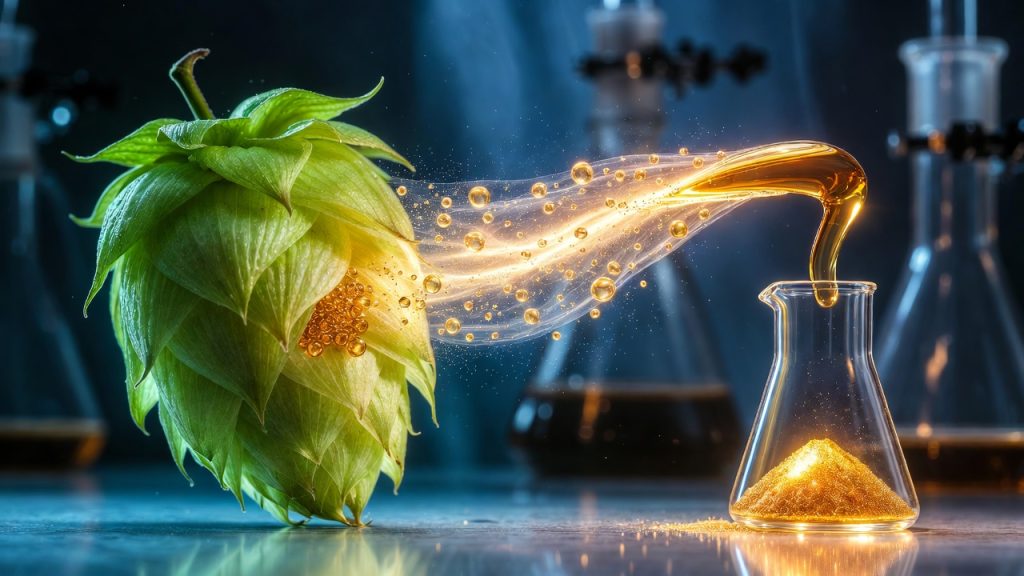
Hop Extracts vs. Whole Cone & Pellets: Advanced Hop Guide
In modern craft brewing—particularly within the relentless evolution of India Pale Ales—the quest for maximum hop saturation with minimal vegetative interference has shifted from a subtle preference to a primary technical discipline. Historically, brewers relied on whole cone hops and traditional T-90 pellets to deliver alpha acids, beta acids, and delicate essential oils to the…
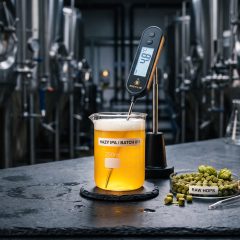
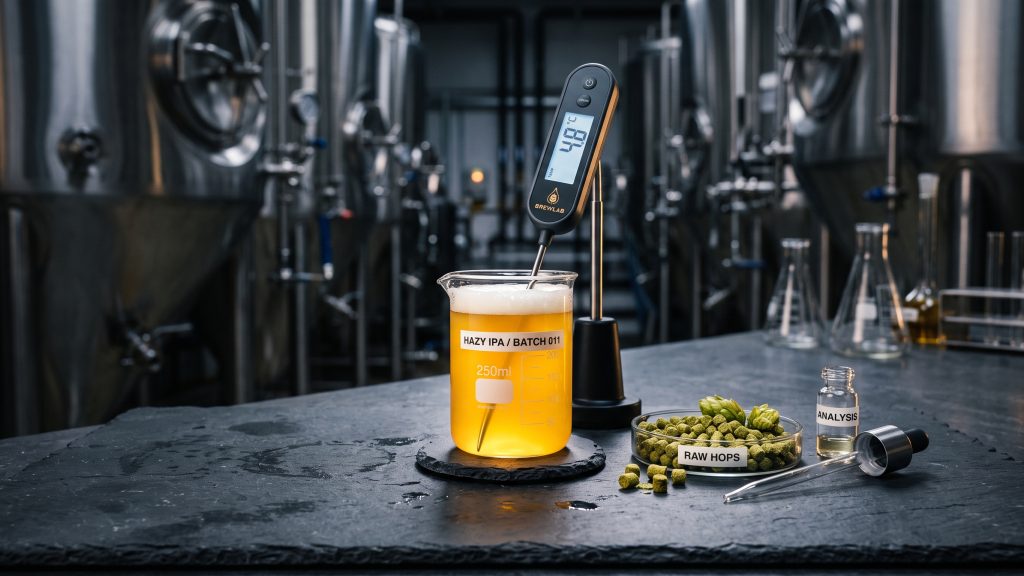
Why Is Hazy IPA Not Bitter? (The Science of Low Bitterness)
Welcome to the next investigation in our Hop Forensics series, where we examine the chemistry, brewing mechanics, and sensory science behind your favorite craft beers. For decades, the term “IPA” was synonymous with tongue-scraping bitterness, intense pine resin, and a sharp bite that made non-craft drinkers recoil. Then came the New England Hazy IPA (NEIPA),…