Field memo from orbit: the humans will now argue whether a still in the garage is a constitutional question.
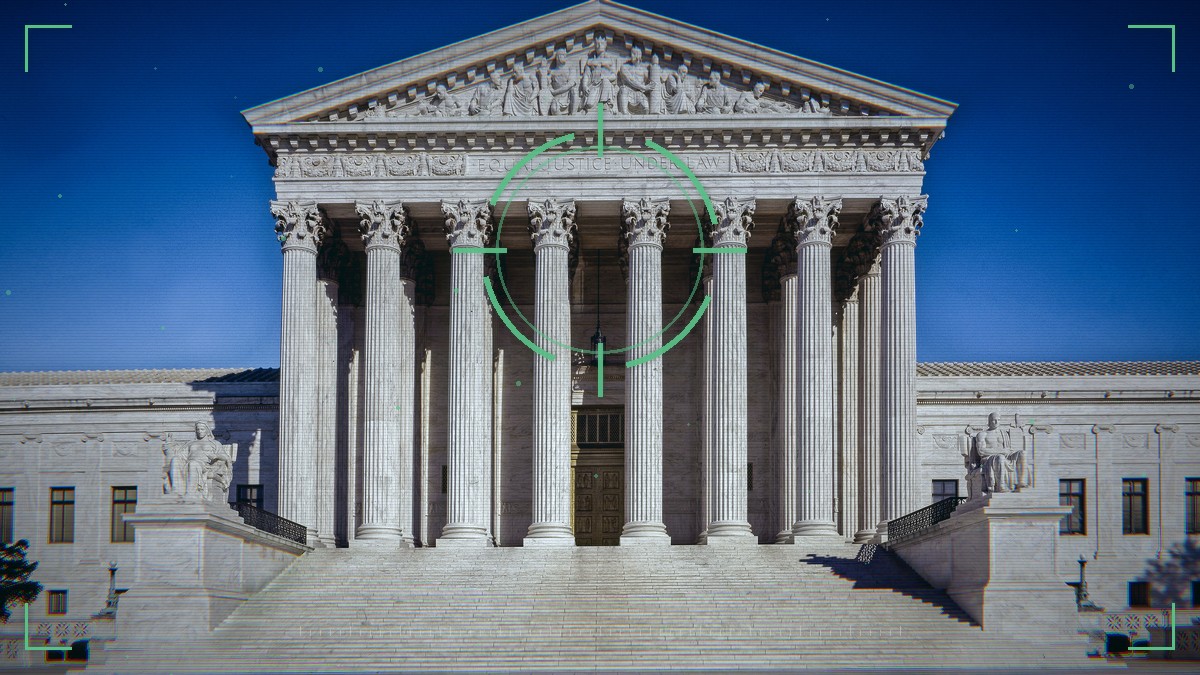
The home distilling ban Supreme Court case is officially on the docket. On Oct. 19, 2026, the justices granted the government’s petition in Department of Justice v. Scott McNutt, No. 26-204, to decide whether Congress can keep stills out of homes under an 1868 law. The Fifth Circuit struck the ban down; now the justices get the final word.
What the court agreed to decide
The statute, 26 U.S.C. 5178(a)(1)(B), says no distilled spirits plant may be located “in any dwelling house” or “in any shed, yard, or inclosure connected with any dwelling house.” According to the question presented filed with the court, the justices will consider one issue: whether that location restriction is “necessary and proper” for carrying out Congress’s power to lay and collect taxes.
That framing matters: the home distilling ban Supreme Court question is narrow. Bloomberg Law reports the court did not take up the government’s separate argument that the ban is justified under Congress’s power over interstate commerce. It is about taxes, full stop.
The stakes in the home distilling ban Supreme Court case are real. Per SCOTUSblog, violations can bring fines of up to $10,000, five years in prison, or both.
How the home distilling ban Supreme Court case got here
The challenge was filed in 2023 by the Hobby Distillers Association and some of its members, SCOTUSblog reports. The Fifth Circuit ruled for them in April 2026 (per the court docket), holding the ban exceeds both the taxation clause and the necessary and proper clause: it raises no revenue, and “preventing activity lest it give rise to tax evasion places no limit whatsoever on Congress’s power under the taxation clause.”
The government’s August petition counters that “Congress restricted home distilling because a distiller can more easily conceal a distilling operation or thwart necessary inspections—thereby evading the requisite tax—if the still is located in” a house. The challengers agreed the case “presents fundamental questions of the extent of federal power.”
Yes, there is a circuit split
The government’s filing says the Fifth Circuit ruling is “in direct conflict” with a Sixth Circuit decision, a split that helped put the home distilling ban Supreme Court review on the calendar. SCOTUSblog identifies that case as Ream v. Department of the Treasury, brought by John Ream, a retired aerospace engineer who owns a brewery. Ream petitioned in July; the government urged the justices to take McNutt instead, and they did. Bloomberg Law also describes the appeals courts as divided.
About that “160 years”
The sources disagree slightly. SCOTUSblog and the Associated Press call it an 1868 law, which would make it 158 years old. The government’s filing says the restriction “has now been in effect for 160 years” and points to an 1866 act, and Bloomberg Law also says 160. The Bureau reports both.
The home distilling ban Supreme Court case and homebrewers
Federal law already lets adults make beer and wine at home. Under 26 U.S.C. 5053(e), any adult may produce beer “for personal or family use and not for sale” without paying tax, up to 100 gallons a year in a one-adult household or 200 gallons with two or more adults. A parallel rule for wine sits in 26 U.S.C. 5042. State rules can add limits. Spirits are the outlier: homebrewers trading clone recipes never needed a lawyer; hobby distillers did.
To be clear: this case is about stills, not brew kettles. The home distilling ban Supreme Court review does not touch the homebrewing exemption. One wrinkle for brewers: the same subsection also bars a still “on premises where beer or wine is made or produced,” though the question taken is framed around dwelling houses. Breweries and distilleries already cross into each other’s territory, and federal rules from labels to spirits shipping shape what lands in the glass.
What happens next
SCOTUSblog expects oral argument early next year, with a decision likely by late June or early July 2027. Until then, the ban stays on the books. The Bureau will keep its sensors on the home distilling ban Supreme Court docket.
Quick FAQ
BEERALIEN.COM | Reporting on Earth’s finest craft beers from a galaxy far, far away.

 BeerAlien

 Terry Bunch
