
A good Flanders red ale tastes like someone left a Burgundy in a brewery on purpose. It is reddish-brown, tart without being a gimmick, and shaped as much by wood and time as by malt. The style is at home in West Flanders, typified by Rodenbach in Roeselare, and it has a brown cousin, oud bruin, that drinks maltier and a little softer. California now has a fresh reason to care: Firestone Walker’s Flanders, from the Barrelworks shop in Buellton, just took silver in Wood- and Barrel-Aged Sour Beer at the 2026 European Beer Star.
The two names get used loosely, especially on American menus. In Belgium they are often treated as one family of mixed-fermentation red-brown ales. The Beer Judge Certification Program still splits them, a distinction it credits to Michael Jackson, because the flavor profiles really are different. A Flanders red ale is typically the fruitier, more acetic, wine-like one. An oud bruin is darker, maltier, and less sharp.
What a Flanders red ale is made of
A Flanders red ale is not a lambic. It is not spontaneously fermented in a coolship, and it does not rely on a wheat mash. The BJCP’s 2021 guidelines say the beer is fermented with a mixed culture of Saccharomyces, Lactobacillus and Brettanomyces, then aged in oak, and often blended. That is a house culture the brewery keeps and pitches, not a bet on whatever is floating through the night air.
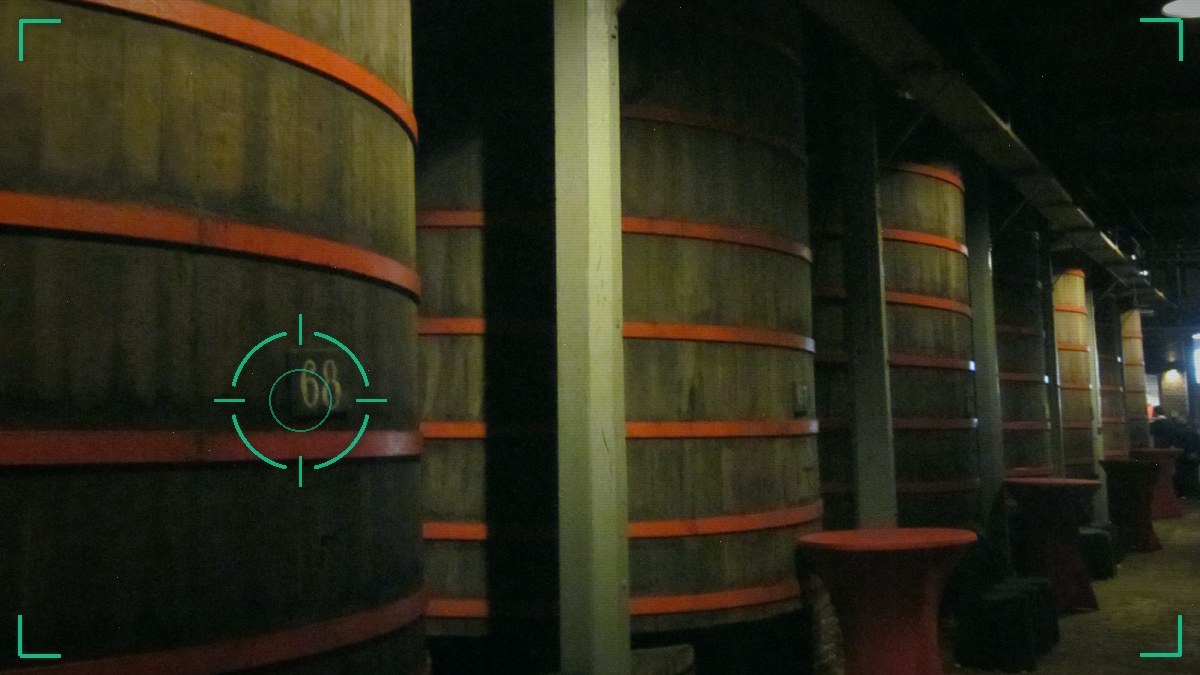
The vessel that defines the style is the foeder: a large oak vat, much bigger than a wine barrel, with a low ratio of wood surface to beer. The beer sits in that stable, slightly oxygen-permeable environment for months or years, picking up a gentle oak character and the slow work of the microbes living in the wood. The finished beer is usually a blend of young beer and older foeder-aged beer, which is how a brewery keeps a sharp, mature stock drinkable and consistent.
Rodenbach is still the benchmark Flanders red ale, and it has been brewing in Roeselare since 1821. We have covered the brewery before, including a 2019–20 collaboration with Dogfish Head. The BJCP notes that the oak-vat aging and the blending of old and young beer were borrowed from the English tradition. Brewmaster Rudi Ghequire has told the story in interviews: Eugène Rodenbach brought those methods back after studying in England in the late nineteenth century, and they still sit at the center of the brewery. In a conversation with Beer52’s Ferment, Ghequire described Classic Rodenbach as a blend of three-quarters freshly brewed red-brown beer and one-quarter beer aged in oak foeders for two years. Grand Cru is the richer, more fully aged expression; the BJCP lists both Classic and Grand Cru as commercial examples of Flanders red ale, along with Cuvée des Jacobins Rouge, Duchesse de Bourgogne and Vichtenaar.
The guidelines put a Flanders red ale in a fairly tight strength band, about 4.6% to 6.5% ABV, with a reddish-brown color and a profile that can run from fruity and tart to clearly acetic. Vinegar is a warning sign, not the goal. The BJCP is blunt about that: not all of the acidity is acetic, and a beer that simply tastes like vinegar has gone too far.
Oud bruin, the maltier brown cousin
Oud bruin, or Flanders brown, is the other half of the family. The BJCP’s oud bruin guidelines describe a deeper malt character, with more caramel, toffee and chocolate, a darker color, and fruit flavors that lean on the malt rather than on sharp red-fruit acidity. It is less acetic than a Flanders red ale. Many modern examples, the guidelines say, have been influenced by the popularity of Liefmans Goudenband. Other listed examples include Liefmans Oud Bruin, Petrus Oud Bruin, Ichtegem Oud Bruin and Vanderghinste Bellegems Bruin. The name is unrelated to the dark, sweet Dutch lager also called oud bruin.
In practice, you drink the two side by side to taste the split. The Flanders red ale is the vinous, tart glass. The brown one is the maltier, rounder one. Both are mixed-fermentation beers aged in wood and usually blended. Neither is a kettle sour rushed out in a week.
Firestone Walker’s California Flanders red ale
Firestone Walker’s Flanders is the California Flanders red ale to start with this fall, because it just earned an international medal. In its Nov. 13 announcement, the brewery said Flanders “represents the experimental side of Firestone Walker, where patience, wood, and mixed-culture fermentation come together at our Barrelworks facility,” and that the beer develops its character “through extended barrel aging and thoughtful fermentation.” The brewery did not publish a long technical sheet with that post, and the beer does not currently have its own product page on firestonewalker.com.
The official award photo Firestone released with that announcement shows a 12.7-ounce (375 ml) corked bottle labeled “Flanders Style Red Ale,” “Batch No. 1,” “Barrelworks,” and 5.5% alcohol by volume. That 5.5% figure is taken from Firestone’s own label, not from a third-party listing. The beer sits right in the BJCP’s strength range for a Flanders red ale. If you already follow Firestone’s barrel program, the same cellar that produced this beer is also behind the 2027 Brewmaster’s Collective.
BEERALIEN.COM | Reporting on Earth’s finest craft beers from a galaxy far, far away.